
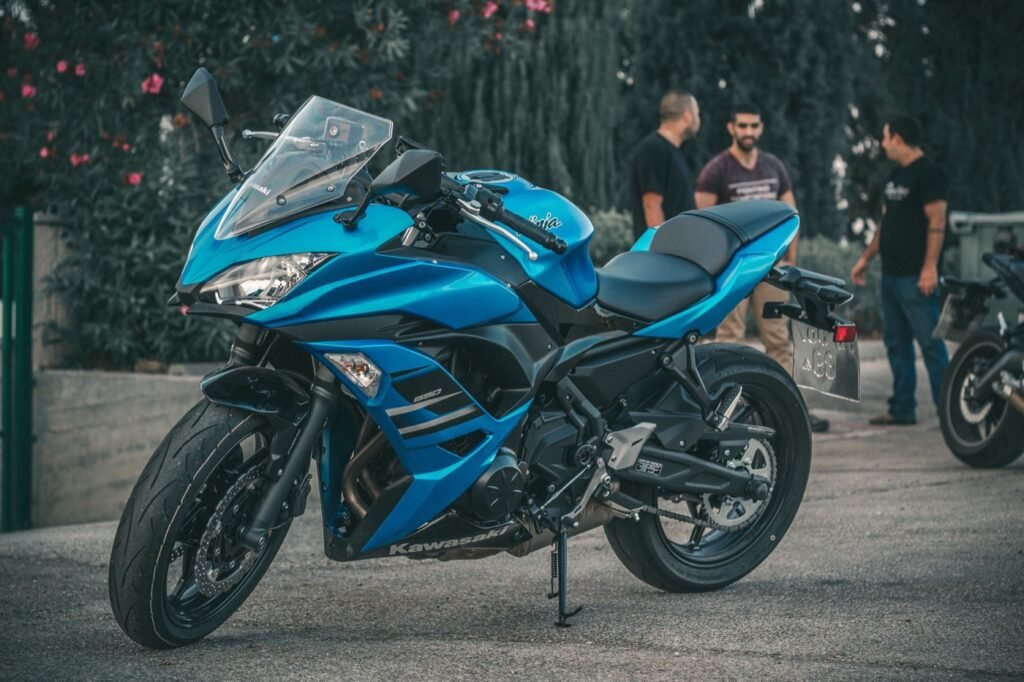
No Claim Bonus, commonly called NCB, is one of the most rewarding yet least understood features of two-wheeler insurance in India. It is a reward given by the insurer to a policyholder who does not raise any claim during the policy year. Instead of a cash payout, this reward comes as a discount on the own-damage portion of your next renewal premium, encouraging riders to ride carefully and to reserve claims for genuinely serious losses rather than minor scratches.
The concept is simple but powerful. Every claim-free year you complete moves you up a fixed NCB slab, and the discount keeps growing until it reaches a ceiling. For a rider who stays claim-free for several years, this can translate into a substantial reduction on the own-damage premium at renewal. Because the benefit belongs to you and not to the bike, it is one of the few insurance perks that genuinely rewards long-term responsible behaviour.
NCB applies only to the own-damage or comprehensive component of a policy, never to the mandatory third-party liability portion that is fixed by IRDAI. This distinction matters, because many riders wrongly assume the discount reduces their entire premium. Understanding exactly where NCB is applied, how it accumulates, and how quickly it can be wiped out helps you make smarter decisions about when to claim and when to pay small repairs from your own pocket.
This guide explains how No Claim Bonus works for two-wheelers in the Indian context, the standard slab percentages, how the bonus is transferred when you switch insurers or buy a new bike, what an NCB protection add-on does, and the common mistakes that cause riders to lose years of accumulated discount. By the end you will know how to protect and maximise this valuable benefit throughout your riding years.
Recommended Guide

How to Claim Health Insurance: A Step-by-Step Guide
Health Insurance Guide
A clear step-by-step guide to filing cashless and reimbursement health insurance claims in India without the stress.
What No Claim Bonus Actually Means for Two-Wheeler Owners
No Claim Bonus is a loyalty-style discount that recognises a full policy year in which you did not file any own-damage claim. When you renew, the insurer reduces the own-damage premium by the applicable NCB percentage. The bonus is cumulative, so each consecutive claim-free year pushes you into a higher discount band until you hit the maximum permitted level, after which it stays capped for as long as you remain claim-free.
It is important to understand that NCB is linked to you as the policyholder, not to the specific two-wheeler. This means the accumulated bonus can move with you when you sell your old bike and buy a new one, or when you shift your policy from one insurer to another at renewal. The discount rewards your riding record, so a careful owner effectively carries a portable benefit across vehicles and companies.
Because NCB only touches the own-damage side of the premium, it has no effect on the third-party liability charge, which is set uniformly by IRDAI based on engine capacity. On a standalone third-party policy there is simply no NCB, since there is no own-damage cover to discount. The benefit becomes meaningful only when you hold a comprehensive or standalone own-damage two-wheeler policy.
- NCB is a discount on renewal, not a cash refund
- It applies only to the own-damage premium component
- The benefit belongs to the rider, not to the bike
- It grows with each consecutive claim-free year
- Third-party-only policies carry no NCB
The Standard NCB Slab Structure in Indian Bike Insurance
Indian insurers follow a broadly standardised NCB grid for two-wheelers. After your first claim-free year the discount typically begins at twenty per cent, then rises through defined steps in the following years until it reaches a ceiling of around fifty per cent. Once you reach the top slab, staying claim-free keeps you at that maximum rather than pushing the discount higher, since fifty per cent is the usual cap prescribed across the industry.
The progression is not linear at every step, but the direction is always upward for each unbroken claim-free year. The jump from year to year is largest in the early years and then tapers as you approach the ceiling. This structure is designed so that even a rider who has held insurance for only a few years sees a visible reward, while long-term careful riders enjoy the maximum benefit year after year.
It is worth remembering that a single own-damage claim, however small, resets your NCB to zero at the next renewal. There is no partial reduction based on claim size in the traditional structure; the slab drops back to the beginning unless you hold an NCB protection add-on. This all-or-nothing reset is precisely why riders are advised to weigh the cost of a minor repair against the discount they would forfeit.
- First claim-free year – around 20 per cent
- Second consecutive year – around 25 per cent
- Third consecutive year – around 35 per cent
- Fourth consecutive year – around 45 per cent
- Fifth year onwards – capped near 50 per cent
Typical NCB Slab Progression for Two-Wheelers
The following indicative grid shows how the discount usually grows with each consecutive claim-free year.
| Claim-Free Years Completed | Indicative NCB Discount | Applies To |
|---|---|---|
| 1 year | Around 20 per cent | Own-damage premium only |
| 2 consecutive years | Around 25 per cent | Own-damage premium only |
| 3 consecutive years | Around 35 per cent | Own-damage premium only |
| 4 consecutive years | Around 45 per cent | Own-damage premium only |
| 5 years and beyond | Capped near 50 per cent | Own-damage premium only |
Recommended Guide
How to Compare Car Insurance Plans and Save Money
Car Insurance Guide
Compare car insurance plans the smart way and cut your premium without losing the cover that matters.
How NCB Is Earned, Retained and Reset
You earn NCB simply by completing a policy year without lodging any own-damage claim and then renewing your two-wheeler policy on time. The insurer records your claim-free status and applies the next slab automatically at renewal. As long as the renewal happens within the permitted window, the accumulated bonus carries forward smoothly and continues to build in the following years.
Retention depends heavily on timely renewal. If your policy lapses and you fail to renew within the grace period allowed after expiry, the entire accumulated NCB is generally forfeited. This is one of the harshest and most avoidable ways riders lose years of built-up discount, so treating the renewal date as a hard deadline is essential to preserving the benefit you have earned.
Resetting happens the moment you file any own-damage or comprehensive claim during the year. At the next renewal your slab returns to zero and you must rebuild from the first band again. Third-party-only claims, where only the other party is compensated, do not always affect NCB in the same way as own-damage claims, but any claim on your own vehicle’s damage typically triggers the reset.
Transferring NCB When You Change Bikes or Insurers
Because NCB is tied to the policyholder, you can carry it forward when you upgrade to a new two-wheeler. When you buy a new bike and sell the old one, you request an NCB retention letter or certificate from your existing insurer confirming your accumulated bonus percentage. This document lets you apply the same discount to the own-damage premium of the new vehicle’s policy, so you do not start from scratch.
The same portability applies when you switch insurers at renewal. Insurers honour NCB earned with a previous company as long as you can produce proof, usually the previous policy document and a declaration that no claim was made. During online renewal you simply declare your existing NCB percentage, and the new insurer verifies it against records before applying the discount to your fresh policy.
There are time limits to be aware of. If there is a long gap between selling the old bike and insuring the new one, or between the old policy expiring and buying a fresh one, the NCB retention letter is typically valid only for a limited period, often around ninety days to three years depending on the situation. Acting promptly ensures the accumulated discount is not lost during the transition.
- Obtain an NCB retention letter from your current insurer
- Keep the previous policy document as proof of the claim-free record
- Declare the correct NCB percentage during online renewal
- Complete the transfer within the validity window of the certificate
- Never overstate NCB, since insurers verify it before honouring claims
Recommended Guide

How to Choose the Best Bike Insurance Policy
Two-Wheeler Guide
Everything you need to pick the right two-wheeler insurance policy for your bike, riding needs and budget.
NCB Protection Add-On: Keeping Your Bonus After a Claim
An NCB protection add-on is an optional cover you can buy with a comprehensive two-wheeler policy that shields your accumulated bonus even if you make a limited number of claims. Without it, one claim wipes the slab to zero. With it, your hard-earned discount survives a permitted claim or two within the policy year, so you continue to enjoy a reduced premium at the next renewal despite having used your cover.
Each insurer sets its own terms for how many claims the add-on protects and under what circumstances. Typically the protection allows a fixed number of claims in a year without dropping the slab, but there may be conditions relating to the type of loss. The add-on carries a small extra premium, and whether it is worth buying depends on your riding conditions, the value of your accumulated NCB, and how likely you are to claim.
For riders who have climbed to the higher slabs and live or ride in areas with heavy traffic or a higher chance of minor damage, the protection add-on can preserve significant value. For a newer policyholder still on a lower slab, the discount at stake is smaller, so the add-on may be less compelling. Reviewing the specific claim allowance and conditions in the policy wording is the best way to decide.
- Preserves your NCB slab even after a permitted claim
- Number of protected claims varies by insurer
- Adds a modest cost to the overall premium
- Most valuable once you reach the higher slabs
- Read the exact conditions on claim type and count
When It Makes Sense to Skip a Small Claim
The single most useful decision NCB forces you to make is whether a minor repair is worth claiming at all. Filing a claim for a small dent or scratch might save you a modest repair bill, but it resets your NCB and can raise your renewal premium for several years. When the repair cost is close to or below the value of the discount you would lose, paying out of pocket is usually the smarter financial choice.
To judge this, estimate the repair cost, then estimate the extra premium you would pay over the next few renewals because your discount dropped to zero. If the accumulated future cost of losing the bonus exceeds the immediate repair bill, skip the claim. Riders on high slabs approaching the cap have the most to protect, so they should be especially cautious about small claims that would erase years of accumulated benefit.
Reserve your claims for genuine, larger losses such as major accident damage, theft, or fire, where the payout far outweighs the value of the lost bonus. Using insurance as intended, for serious financial protection rather than for trivial repairs, both preserves your NCB and keeps your long-term premiums lower. This mindset is central to getting the best value from a comprehensive two-wheeler policy over many years.
NCB Retained Versus NCB Reset After a Claim
This comparison shows how a claim affects your bonus with and without an NCB protection add-on.
| Situation | Without Protection Add-On | With Protection Add-On |
|---|---|---|
| No claim during the year | Slab moves up one level | Slab moves up one level |
| One small own-damage claim | Slab resets to zero | Slab usually preserved |
| Policy lapses beyond grace period | Full NCB forfeited | Full NCB forfeited |
| Switching insurers on time | Bonus carried forward | Bonus carried forward |
| Buying a new bike with retention letter | Bonus transferred | Bonus transferred |
Recommended Guide

How to Choose the Best Life Insurance Policy
Life Insurance Guide
A practical guide to choosing a life insurance policy that genuinely protects your family and fits your goals.
Common Myths and Mistakes That Cost Riders Their NCB
A frequent mistake is letting the policy lapse and assuming the bonus can be revived later. In most cases, if you do not renew within the short grace window after expiry, the entire NCB is forfeited and you must start again from zero. Another common error is confusing NCB with a discount on the whole premium; since it applies only to own-damage, the total saving is smaller than many riders expect.
Some owners believe that switching insurers means losing their bonus, and so they stay with a company offering worse terms. In reality NCB is fully portable, and you should compare renewal quotes freely, carrying your accumulated discount to whichever insurer offers the best overall value. Others forget to obtain a retention letter when selling a bike, only to find the benefit stranded when they insure a new vehicle.
Overstating your NCB during online renewal to grab a bigger discount is a serious mistake. Insurers verify the declared bonus against previous records, and a false declaration can lead to the loss of the discount and complications at claim time. Always declare your true claim-free record, keep your policy documents safe, and renew before the expiry date to protect the benefit you have genuinely earned.
- Do not let the policy lapse beyond the grace period
- Remember NCB reduces only the own-damage premium
- Carry your bonus freely when switching insurers
- Collect a retention letter before selling your bike
- Never overstate your claim-free record during renewal
Maximising Your No Claim Bonus Over the Long Term
The path to the maximum NCB is straightforward in principle: ride carefully, maintain your two-wheeler well, and renew on time every year without breaking the chain. Small habits such as parking safely, using anti-theft devices, and servicing the bike regularly reduce the chance of accidents and theft, which in turn reduces the temptation to claim and helps you keep climbing the slabs toward the cap.
Multi-year or long-term two-wheeler policies interact with NCB in a helpful way, since a longer policy term reduces the number of renewal transactions where a lapse could occur and locks in continuous cover. When such policies conclude, the accumulated claim-free record still translates into the applicable bonus, so buying a longer term can be a practical way to protect the continuity of your discount.
Finally, treat your NCB as a financial asset you are steadily building. Keep records of every policy, note your renewal dates well in advance, and always weigh a small claim against the discount at stake. Combined with an NCB protection add-on where it makes sense, these habits let a disciplined rider enjoy the maximum permitted discount year after year, meaningfully lowering the lifetime cost of insuring a two-wheeler.
Frequently Asked Questions
Does No Claim Bonus reduce my entire bike insurance premium?
No, NCB reduces only the own-damage or comprehensive portion of your premium, not the mandatory third-party liability charge. The third-party rate is fixed by IRDAI according to engine capacity and remains unaffected by your claim record. This is why the total saving from NCB is smaller than the headline discount percentage suggests. On a standalone third-party policy there is no NCB at all.
Will one small claim really wipe out my accumulated NCB?
Yes, under the standard structure any own-damage claim, regardless of its size, resets your NCB slab to zero at the next renewal. There is no partial reduction based on how small the claim was. The only way to keep your bonus after a claim is to hold an NCB protection add-on that permits a limited number of claims. This is why weighing a small repair against the discount at stake is so important.
Can I transfer my NCB to a new two-wheeler?
Yes, because NCB belongs to you as the policyholder rather than to the bike, it can move to a new vehicle. You request an NCB retention letter from your current insurer confirming your accumulated percentage. This letter is then used to apply the same discount to the own-damage premium of your new bike’s policy. Acting within the validity period of the certificate ensures the benefit is not lost.
What happens to my NCB if my policy lapses?
If you fail to renew within the short grace window allowed after expiry, your entire accumulated NCB is generally forfeited. You then have to rebuild the discount from zero once you buy a fresh policy. This makes timely renewal one of the most important habits for protecting the bonus you have earned. Setting reminders well before the expiry date helps avoid this avoidable loss.
Is the NCB protection add-on worth buying?
It depends on your slab level, riding conditions, and likelihood of claiming. The add-on preserves your bonus even after a permitted claim, which is most valuable once you have reached the higher slabs where a lot of discount is at stake. For a newer policyholder on a low slab, the benefit protected is smaller. Reading the exact claim allowance and conditions helps you decide whether the modest extra premium is justified.
Do I keep my NCB if I switch to a different insurer?
Yes, NCB is fully portable between insurers as long as you can prove your claim-free record. During renewal you declare your existing NCB percentage, and the new insurer verifies it against records and your previous policy document before applying the discount. This means you should compare quotes freely and move to the insurer offering the best value without fear of losing your bonus, provided you renew on time.
How long does it take to reach the maximum NCB?
Reaching the top slab typically takes around five consecutive claim-free years, after which the discount is capped near fifty per cent. Each unbroken claim-free year moves you up a defined step until you reach that ceiling. Staying claim-free beyond that keeps you at the maximum rather than pushing the discount higher. Consistent, timely renewals without claims are the only way to climb steadily to the cap.
Does a third-party-only claim affect my NCB?
A pure third-party claim, where only the other party’s damage or injury is compensated and you make no own-damage claim, does not always affect NCB the same way an own-damage claim does. However, any claim on your own vehicle’s damage typically resets the bonus. Since policy terms vary, it is wise to check with your insurer before assuming a particular claim will not affect your discount.
Can I overstate my NCB to get a bigger discount online?
No, you should always declare your true claim-free record. Insurers verify the declared NCB against previous policy records, and a false declaration can lead to the discount being cancelled and complications when you file a claim. An inflated bonus may also invalidate part of your cover. Honesty in the declaration protects both your discount and your ability to claim smoothly later.
Do long-term two-wheeler policies affect NCB?
Long-term policies reduce the number of renewal points where a lapse could break your claim-free chain, helping protect the continuity of your bonus. When such a policy concludes, your accumulated claim-free record still converts into the applicable NCB slab. This makes multi-year cover a practical way to safeguard the discount, especially for riders who might otherwise forget to renew a single-year policy on time.
External Resource

IRDAI – Official Insurance Regulator
Official Resource
Understand your rights as a policyholder, verify registered insurers, and access official resources on the IRDAI website before you decide.
Disclaimer
This page is not affiliated with IRDAI, any insurer, or any government body. Two-wheeler insurance premiums, IDV, add-ons, and terms vary by insurer and vehicle. This content is for general information only and is not professional insurance or financial advice. Always confirm details with an IRDAI-registered insurer or a licensed advisor.
Unlock the content recommendation
Protected connection