
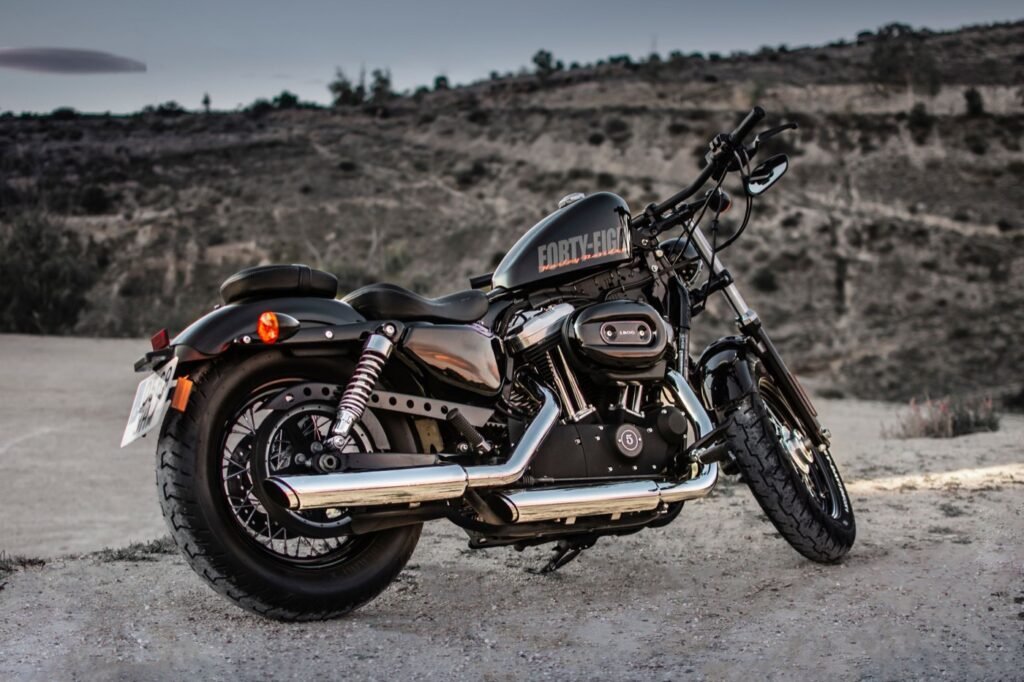
Every year, millions of two-wheeler owners in India forget to renew their insurance on time, and many end up riding uninsured without realising it. Long-term two-wheeler insurance was introduced partly to solve this problem, offering cover for multiple years in a single policy so that riders do not have to remember an annual renewal. For the right owner, it brings convenience and price certainty; for others, it can lock up money and reduce flexibility.
A long-term policy typically covers the two-wheeler for several years at once, sparing you the yearly ritual of renewing and the risk of an accidental lapse. It also protects you from year-on-year increases in the third-party premium, since that portion is fixed for the policy term at the outset. For riders who value simplicity and hate paperwork, this can be a genuinely attractive proposition.
However, a multi-year policy is not automatically the better choice. Paying several years of premium upfront is a larger single outgo, and the way No Claim Bonus, mid-term cancellation and add-ons work differs from an annual policy. Understanding these mechanics is essential before committing your money for a longer period, because what looks like pure convenience has trade-offs worth weighing carefully.
This guide examines long-term two-wheeler insurance in depth: how it works, what you save, how NCB and add-ons are handled over multiple years, the drawbacks to consider, and which riders benefit most. With clear comparisons against annual cover, you will be able to decide whether locking in a multi-year policy suits your bike, your budget and your preferences, or whether the annual route remains the smarter option for you.
Recommended Guide

How to Claim Health Insurance: A Step-by-Step Guide
Health Insurance Guide
A clear step-by-step guide to filing cashless and reimbursement health insurance claims in India without the stress.
What Long-Term Two-Wheeler Insurance Means
A long-term two-wheeler policy provides cover for more than one year in a single contract, commonly spanning a few years at once. Instead of renewing every twelve months, you buy the policy once and stay covered for the whole term. This structure was encouraged to reduce the large number of uninsured two-wheelers on Indian roads caused by owners forgetting to renew their annual cover.
Such policies can take different shapes. Some bundle multi-year third-party cover with annual own-damage cover, while others offer a genuinely multi-year comprehensive package. The third-party portion is typically locked for the full term at purchase, while the own-damage portion may still be reviewed periodically. Knowing exactly which structure you are buying is important, because it affects how your cover and premium behave over the years.
The core appeal is continuity. With a long-term policy in place, there is no annual deadline to miss, no scramble at expiry and no accidental gap in cover. For a busy rider who simply wants the bike insured and off their mind, this hands-off continuity is the main reason to consider going long-term rather than renewing every single year.
- Covers the bike for multiple years in one policy
- Reduces the risk of forgetting annual renewal
- Third-party portion usually locked for the term
- Own-damage may be multi-year or reviewed periodically
- Introduced to cut down uninsured two-wheelers
The Convenience and Continuity Advantage
The most immediate benefit of a long-term policy is that you stop worrying about annual renewal. Life gets busy, reminders get ignored, and an expired policy can go unnoticed until a traffic check or, worse, an accident. By covering several years at once, a long-term policy removes this recurring risk entirely and keeps you continuously legal and protected without any yearly action on your part.
Continuous cover also means no accidental lapse, which protects you from the consequences that follow a gap: forfeited No Claim Bonus, a break-in inspection and an uninsured period. Riders who have previously suffered a lapse often appreciate a long-term policy precisely because it takes the discipline of remembering out of the equation and replaces it with automatic, uninterrupted protection.
There is a practical time saving too. Renewing annually, even online, means repeated form-filling, comparison and payment each year. A long-term policy compresses that effort into a single purchase for the whole term. For owners who find insurance admin tedious, this reduction in recurring hassle is a meaningful, if modest, quality-of-life benefit.
- No annual renewal deadline to remember
- Eliminates the risk of an accidental lapse
- Avoids repeated break-in inspections
- Keeps cover continuous and legal throughout
- Saves the recurring effort of yearly renewal
Long-Term vs Annual Two-Wheeler Insurance
This table compares the two approaches across the factors that matter most.
| Factor | Long-Term Policy | Annual Policy |
|---|---|---|
| Renewal frequency | Once for several years | Every year |
| Upfront premium | Higher lump sum | Lower yearly amount |
| Third-party rate | Locked for the term | Revised at each renewal |
| Insurer switching | Harder mid-term | Easy at renewal |
| Lapse risk | Very low | Higher if forgotten |
| IDV and add-on review | Less frequent | Every year |
Recommended Guide
How to Compare Car Insurance Plans and Save Money
Car Insurance Guide
Compare car insurance plans the smart way and cut your premium without losing the cover that matters.
Premium Lock-In and Protection From Rate Hikes
Third-party premiums are set by IRDAI and revised from time to time, generally trending upward. With a long-term policy, the third-party portion is fixed for the entire term at the time of purchase. This means that if third-party rates rise during your policy period, you are insulated from those increases for the years you have already paid for, which can add up to a real saving.
This lock-in is one of the genuine financial arguments in favour of long-term cover. On an annual policy, you face whatever the prevailing third-party rate is at each renewal, and if rates climb, so does your cost. A multi-year policy freezes that portion, giving you price certainty over the term rather than exposure to future revisions.
It is worth remembering that the own-damage portion may not be locked in the same way, depending on the policy structure. Own-damage pricing reflects your bike’s falling IDV and your NCB, which change over time. So the lock-in benefit applies most clearly to the third-party component, while the own-damage cost still evolves with your bike’s value and claim record.
How No Claim Bonus Works on Multi-Year Policies
No Claim Bonus behaves differently on a long-term policy than on annual cover. Because the policy runs for multiple years without an annual renewal point, the way NCB accrues and applies is defined by the policy structure. In some multi-year comprehensive policies, the NCB benefit is built into the pricing across the term rather than applied as a visible annual discount you watch grow.
If you make an own-damage claim during a multi-year policy, it can still affect your bonus standing for the remainder of the term or at the next renewal, in line with the policy terms. The exact treatment varies, so it is important to read how your specific policy handles claims and NCB over the years rather than assuming it mirrors an annual policy exactly.
When the long-term policy eventually ends and you renew, your accumulated claim-free record carries forward as usual, subject to proof and the insurer’s terms. As with annual cover, NCB remains linked to you as the owner and can be transferred to a new bike or a new insurer. Understanding your policy’s NCB mechanics upfront avoids confusion at claim time and at the end of the term.
Recommended Guide

How to Choose the Best Bike Insurance Policy
Two-Wheeler Guide
Everything you need to pick the right two-wheeler insurance policy for your bike, riding needs and budget.
The Drawbacks and Trade-Offs to Consider
The clearest drawback is the larger upfront payment. Buying several years of cover at once means a bigger single outgo than an annual premium, which not every owner finds comfortable. That money is committed to the policy for the term, so if your finances are tight or you prefer smaller yearly payments, the lump sum can be a genuine deterrent despite the convenience.
Flexibility is also reduced. If you want to switch insurers because you find better service or pricing, doing so mid-term is less straightforward than simply choosing a new insurer at annual renewal. Similarly, reviewing and changing your IDV and add-ons each year, a healthy habit on annual policies, is constrained when you have committed to a multi-year contract.
There is also the question of selling the bike. If you sell your two-wheeler during a long-term policy, you will need to handle the transfer or cancellation of the remaining cover, and any refund follows the insurer’s terms for the unused period. These practicalities mean a long-term policy suits owners who expect to keep the same bike and insurer for the full term.
- Larger premium paid upfront for the full term
- Harder to switch insurers mid-term
- Less flexibility to change IDV and add-ons yearly
- Selling the bike requires transfer or cancellation
- Money is committed for a longer period
Cancellation and Refunds on a Long-Term Policy
Because a long-term policy covers several years, the rules for cancelling it mid-term matter more than on an annual policy. If you sell your bike, stop using it, or wish to move to another insurer, you can usually cancel the policy and receive a refund for the unused period, calculated according to the insurer’s terms. Knowing this in advance removes anxiety about being locked in permanently.
The refund is typically pro-rated for the remaining term, after accounting for the cover already used and any conditions in the policy, such as whether a claim has been made. If you have made a claim during the policy, the refund treatment may differ. Reading the cancellation clause before buying tells you exactly what to expect should your circumstances change.
When selling the bike, you can often transfer the policy to the new owner instead of cancelling, with the third-party cover moving to them and the own-damage and NCB handled per the rules. Whether you cancel or transfer, doing it properly ensures you are not paying for cover on a bike you no longer own and that the new owner is correctly protected.
Is Long-Term Cover Right for You
This table maps rider situations to a suggested policy approach.
| Rider Situation | Suggested Approach |
|---|---|
| New bike kept for years | Long-term cover |
| Often forgets to renew | Long-term cover |
| Likes to compare insurers yearly | Annual cover |
| Plans to sell the bike soon | Annual cover |
| Prefers smaller yearly payments | Annual cover |
Recommended Guide

How to Choose the Best Life Insurance Policy
Life Insurance Guide
A practical guide to choosing a life insurance policy that genuinely protects your family and fits your goals.
Long-Term vs Annual Policy Compared
Choosing between long-term and annual cover comes down to how you weigh convenience and price certainty against flexibility and upfront cost. A long-term policy wins on continuity, freedom from renewal reminders and protection from third-party rate hikes. An annual policy wins on lower upfront outgo, the ease of switching insurers and the ability to review IDV and add-ons every year.
For a rider who has just bought a new bike, intends to keep it for years, values a hands-off approach and can afford the upfront premium, a long-term policy is a natural fit. The continuity and rate lock-in align well with owning a bike for the long haul, and the reduced admin is a welcome bonus for those who dislike yearly renewals.
For a rider who likes to shop around each year, may change their bike sooner, or prefers spreading payments annually, the traditional annual policy remains sensible. Neither option is universally better; the right choice depends on your habits, your finances and how long you expect to keep both the bike and your current insurer relationship.
- Long-term favours continuity and price certainty
- Annual favours flexibility and lower upfront cost
- Long-term suits owners keeping the bike for years
- Annual suits those who shop around each renewal
- Match the choice to your habits and finances
Who Should Consider a Long-Term Two-Wheeler Policy
Long-term cover is especially worth considering for owners of new two-wheelers who plan to hold the bike for several years. Buying the multi-year policy at purchase locks in third-party rates, secures continuity from day one and removes the renewal burden during the years the bike is most likely to stay with you. It aligns the insurance term with your ownership horizon.
It also suits busy professionals, frequent travellers and anyone who has previously let a policy lapse by forgetting to renew. If remembering annual deadlines is a genuine struggle, the automatic continuity of a long-term policy is worth the upfront cost. The peace of mind of knowing the bike is insured for years, with no action needed, has real value for such riders.
Conversely, if you expect to change your bike soon, prefer to compare insurers annually, or would rather not commit a lump sum, an annual policy is the better match. The decision is personal. Weigh the convenience and rate lock-in of long-term cover against the flexibility and smaller payments of annual cover, and choose the one that fits how you actually manage your money and your bike.
Frequently Asked Questions
What is long-term two-wheeler insurance?
Long-term two-wheeler insurance covers your bike for more than one year in a single policy, commonly spanning a few years. You buy it once and stay covered for the whole term without annual renewal. It was encouraged to reduce the number of uninsured two-wheelers caused by owners forgetting to renew. The third-party portion is usually locked for the term at purchase.
Is a long-term bike policy cheaper than annual cover?
A long-term policy can save money by locking in the third-party premium for the term, protecting you from future rate hikes. However, it requires a larger upfront payment covering several years at once. Whether it works out cheaper depends on how rates change and how you value the convenience. The own-damage portion still varies with your bike’s IDV and NCB over time.
Does a long-term policy protect me from third-party rate hikes?
Yes, the third-party portion of a long-term policy is generally fixed for the entire term at the time of purchase. If IRDAI revises third-party rates upward during your policy period, you are insulated from those increases for the years you have paid for. This price certainty is one of the main financial arguments for going long-term. The own-damage portion may still change with your bike’s value.
How does No Claim Bonus work on a multi-year policy?
NCB treatment on a long-term policy is defined by the policy structure, since there is no annual renewal point. In some multi-year comprehensive policies the bonus is built into the pricing across the term. A claim during the policy can still affect your bonus standing per the terms. When the policy ends, your claim-free record carries forward as usual, subject to proof.
Can I cancel a long-term policy if I sell my bike?
Yes, you can usually cancel a long-term policy mid-term and receive a refund for the unused period, calculated according to the insurer’s terms. If you have made a claim during the policy, the refund treatment may differ. Alternatively, you can transfer the policy to the new owner when selling the bike. Reading the cancellation clause before buying tells you exactly what to expect.
Can I switch insurers during a long-term policy?
Switching insurers mid-term is less straightforward than at an annual renewal, since you have committed to a multi-year contract. You would typically need to cancel the existing policy, subject to the refund terms, before moving to another insurer. This reduced flexibility is one of the trade-offs of long-term cover. If you like to compare insurers yearly, an annual policy may suit you better.
Who benefits most from long-term two-wheeler insurance?
Owners of new bikes who plan to keep them for several years, busy people who dislike yearly admin, and anyone who has previously let a policy lapse benefit the most. The continuity, rate lock-in and reduced renewal burden align well with long-term ownership. Those who change bikes often or prefer smaller yearly payments may find annual cover better. The choice depends on your habits and finances.
Can I add or change add-ons on a long-term policy?
Add-ons on a long-term policy are less flexible to change than on an annual policy, since you commit for a longer period. The ability to review and adjust IDV and add-ons each year, a healthy habit on annual cover, is more constrained. Discuss the add-on terms with your insurer before buying. If frequent adjustments matter to you, an annual policy offers more flexibility.
What happens to my cover if third-party rates fall?
Because the third-party portion is locked at purchase, you pay the rate agreed at the start for the whole term. Rate revisions generally trend upward over time, so the lock-in usually works in your favour. In the rare event rates fall, you would still pay the locked rate for your term. Overall, the lock-in is designed to protect you from increases rather than track every change.
Is long-term cover available for both new and old bikes?
Long-term cover is most commonly offered and most attractive for new bikes, where it can be bought at purchase and aligned with long ownership. Availability and terms for older bikes vary by insurer, and the own-damage component depends on the bike’s condition and value. Check with your insurer whether a multi-year option suits your specific bike. For a very old bike, annual cover may be more practical.
External Resource

IRDAI – Official Insurance Regulator
Official Resource
Understand your rights as a policyholder, verify registered insurers, and access official resources on the IRDAI website before you decide.
Disclaimer
This page is not affiliated with IRDAI, any insurer, or any government body. Two-wheeler insurance premiums, IDV, add-ons, and terms vary by insurer and vehicle. This content is for general information only and is not professional insurance or financial advice. Always confirm details with an IRDAI-registered insurer or a licensed advisor.
Unlock the content recommendation
Protected connection