Buying two-wheeler insurance in India is not just a legal formality under the Motor Vehicles Act – it is a financial shield that protects your bike, your savings and other road users. Yet most riders simply renew whatever policy the dealer sold them, without understanding what IDV, add-ons or claim settlement ratios actually mean. Choosing the best bike insurance policy requires a clear grasp of the options and how they fit your riding habits.
The Indian two-wheeler market is huge, with crores of bikes and scooters on the road, and the insurance choices can feel overwhelming. Third-party or comprehensive? Should you add zero-depreciation cover? Is a long-term policy worth it? How much Insured Declared Value should you set? Each of these decisions affects both your premium and how much you actually receive when you file a claim after an accident, theft or natural calamity.
IRDAI, the insurance regulator, mandates at least third-party cover for every motorised two-wheeler, but the minimum legal cover leaves your own bike completely unprotected. Understanding the gap between what the law demands and what your bike genuinely needs is the first step toward a smart purchase. A policy that looks cheap on paper can prove expensive at claim time if the IDV is too low or key add-ons are missing.
This detailed guide walks you through every factor that matters when selecting a two-wheeler policy in India – the types of cover, the role of IDV, the most useful add-ons, cashless garage networks, No Claim Bonus, claim settlement records and long-term plans. By the end you will be able to shortlist policies confidently, avoid common mistakes and pick cover that balances premium affordability with real protection.
Recommended Guide

How to Claim Health Insurance: A Step-by-Step Guide
Health Insurance Guide
A clear step-by-step guide to filing cashless and reimbursement health insurance claims in India without the stress.
Third-Party vs Comprehensive: Understanding Your Two Core Choices
Every two-wheeler policy in India falls into one of two broad categories. Third-party liability insurance is the legal minimum required under the Motor Vehicles Act. It pays for injury, death or property damage you cause to others, but it pays nothing for damage to your own bike. The premium is set by IRDAI and is uniform across insurers, which is why it is inexpensive but limited in scope.
Comprehensive insurance combines that mandatory third-party cover with own-damage protection. This means your bike is covered against accidents, fire, theft, riots, floods, cyclones and other natural or man-made calamities. The own-damage premium varies between insurers and depends on your bike’s IDV, engine capacity, age and location. For most riders, comprehensive cover offers far better value despite the higher cost.
A third option gaining popularity is the standalone own-damage policy, useful when you already hold a long-term third-party plan and want to add own-damage cover separately. Deciding between these three depends on your bike’s value, its age and how much financial risk you can comfortably absorb yourself in the event of damage or loss.
- Third-party: legally mandatory, covers others’ injury and property, not your own bike
- Comprehensive: third-party plus own-damage against accident, theft, fire and calamity
- Standalone own-damage: pairs with an existing long-term third-party policy
- Third-party premiums are fixed by IRDAI; own-damage premiums vary by insurer
- Newer or expensive bikes almost always justify comprehensive cover
Insured Declared Value (IDV): Getting the Number Right
IDV is the maximum amount your insurer will pay if your bike is stolen or declared a total loss. It is calculated as the manufacturer’s listed selling price minus depreciation based on the vehicle’s age. IDV is not the price you paid or the current resale value – it is a formula-driven figure that directly determines both your premium and your maximum payout.
Setting the IDV too low reduces your premium but leaves you badly underinsured if the bike is stolen or wrecked beyond repair. Setting it too high inflates your premium without increasing what you realistically recover, since insurers assess actual loss. The goal is an IDV that fairly reflects your bike’s current market value so that a total-loss claim leaves you genuinely compensated.
Most insurers allow you to adjust the IDV within a permitted band, typically a range around the standard depreciated value. When comparing quotes, always check that you are comparing similar IDVs – a lower premium quote may simply carry a lower IDV, which means less protection rather than a better deal.
- IDV is the payout ceiling for theft or total loss, not a resale estimate
- It falls each year as depreciation increases with vehicle age
- A low IDV cuts premium but leaves you underinsured on a big claim
- Compare quotes at the same IDV to judge value fairly
- Adjust IDV to reflect your bike’s genuine current market worth
Third-Party vs Comprehensive Two-Wheeler Cover at a Glance
This comparison summarises how the two core policy types differ across the factors that matter most.
| Factor | Third-Party Only | Comprehensive |
|---|---|---|
| Legal requirement | Mandatory minimum | Exceeds legal minimum |
| Own bike damage | Not covered | Covered |
| Theft and fire | Not covered | Covered |
| Natural calamity | Not covered | Covered |
| Premium level | Low, fixed by IRDAI | Higher, varies by insurer |
| Best suited for | Very old, low-value bikes | New or valuable bikes |
Recommended Guide
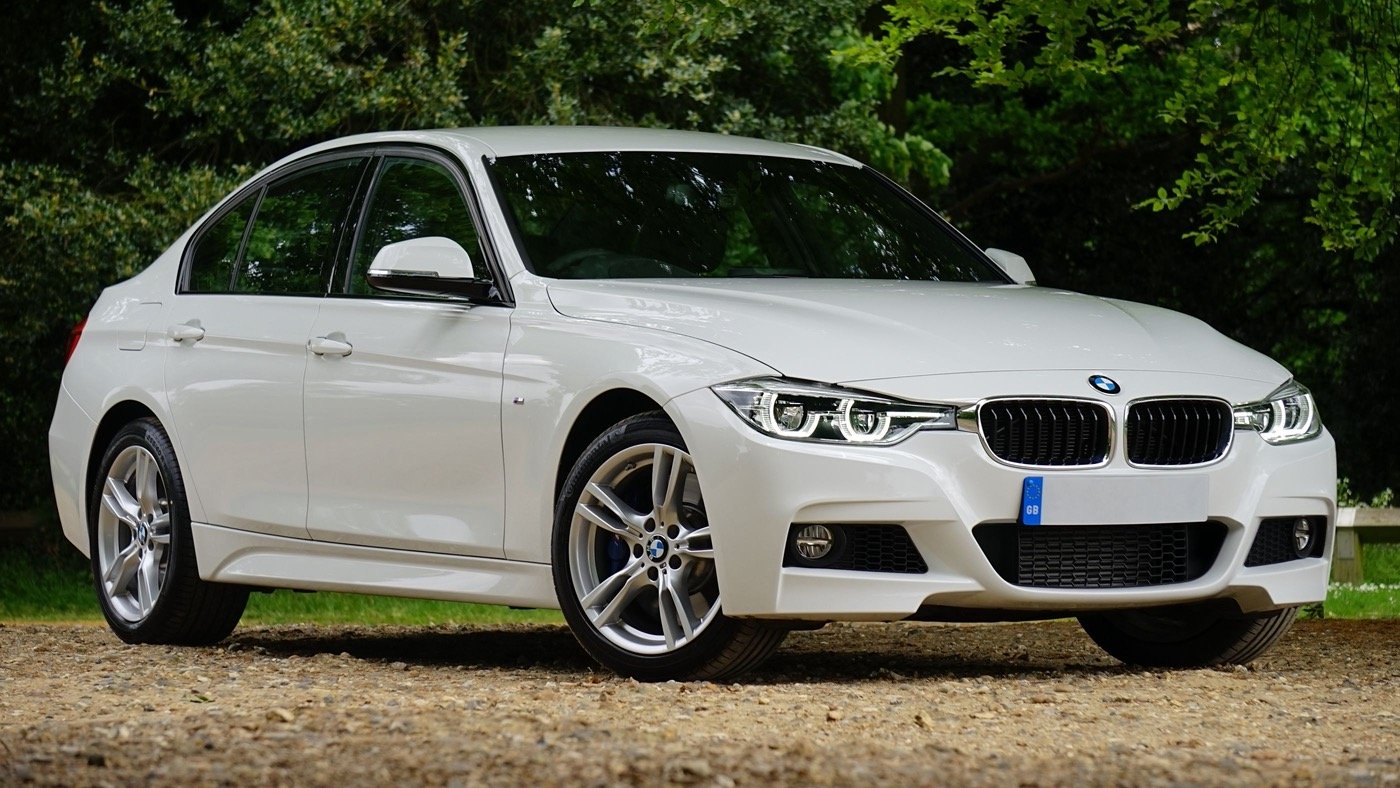
How to Compare Car Insurance Plans and Save Money
Car Insurance Guide
Compare car insurance plans the smart way and cut your premium without losing the cover that matters.
Essential Add-On Covers Worth Considering
Add-ons, also called riders, let you strengthen a comprehensive policy for a modest extra premium. The most valuable is zero-depreciation cover, which ensures that at claim time the insurer does not deduct depreciation on replaced parts. Without it, plastic, rubber and fibre components attract heavy depreciation, so you end up paying a large share of repair costs from your own pocket.
Other useful add-ons include engine protection, which covers damage to the engine from water ingress or oil leakage – particularly valuable in flood-prone cities. Consumables cover pays for items like engine oil, nuts, bolts and lubricants that are normally excluded. Roadside assistance provides on-call help for breakdowns, flat tyres, towing and minor repairs, which is handy for daily commuters and long-distance riders alike.
Not every add-on suits every rider. A brand-new premium motorcycle benefits enormously from zero-depreciation and engine protection, while an older commuter scooter may not justify the additional premium. Match add-ons to your bike’s value, your riding conditions and how much you would struggle to fund an unexpected repair bill.
- Zero-depreciation: no depreciation deducted on replaced parts at claim time
- Engine protection: covers water and oil-related engine damage
- Consumables cover: pays for oils, nuts, bolts and lubricants
- Roadside assistance: towing, jump-starts, flat-tyre and breakdown help
- Return to invoice and personal accident add-ons for added security
Cashless Garage Network and Claim Convenience
The size and quality of an insurer’s cashless garage network can matter as much as the premium. In a cashless claim, you take your bike to a network garage, the insurer settles the approved repair cost directly with the garage, and you pay only the deductible and any non-covered amount. This spares you from arranging a large sum upfront and waiting for reimbursement.
Before buying, check how many network garages the insurer has in your city and along the routes you ride most. A wide network is little use if there are no partner garages near your home or workplace. For riders in smaller towns, confirming local cashless availability is especially important, since a sparse network forces you into the slower reimbursement route.
Reimbursement claims are always available as a fallback, where you pay the garage yourself and later recover the approved amount from the insurer. However, cashless service is far more convenient during a stressful post-accident period, so an insurer with strong local garage tie-ups deserves preference when other factors are similar.
- Cashless claims let the insurer pay the network garage directly
- Check garage density in your own city and regular riding routes
- Small-town riders should confirm nearby cashless partners
- Reimbursement is the fallback when no network garage is available
- You still pay the deductible and any non-covered charges
Recommended Guide
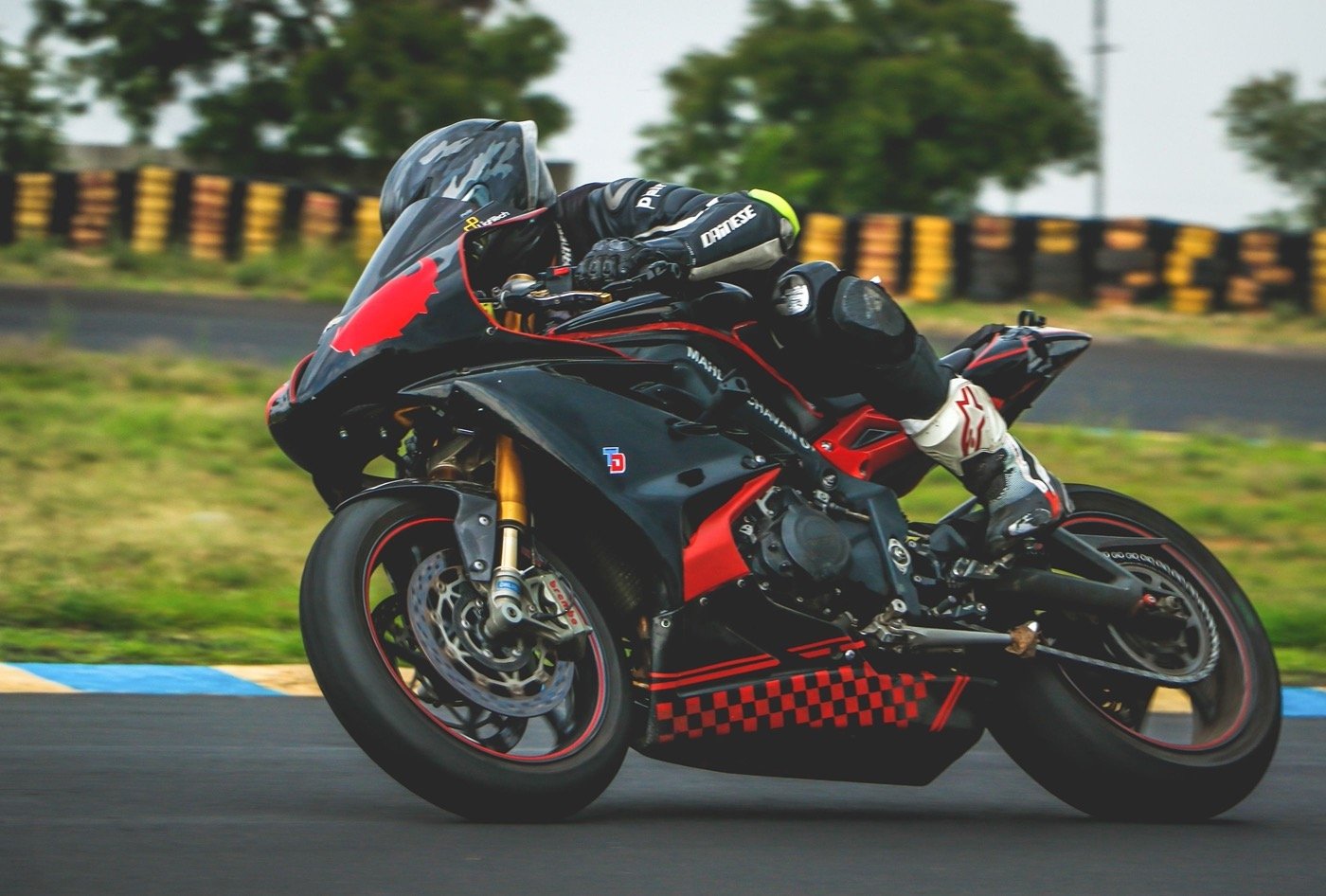
How to Choose the Best Bike Insurance Policy
Two-Wheeler Guide
Everything you need to pick the right two-wheeler insurance policy for your bike, riding needs and budget.
Claim Settlement Ratio and Insurer Reputation
The claim settlement ratio is the percentage of claims an insurer approves and pays out of the total claims received in a year. A consistently high ratio suggests the insurer honours valid claims reliably, which is the whole point of buying insurance. While this metric is reported at the company level and covers all products, it remains a useful indicator of an insurer’s overall claim behaviour.
Alongside the settlement ratio, look at claim turnaround time, the ease of the claim process, availability of a mobile app or online claim intimation, and genuine customer reviews about how disputes are handled. An insurer that settles quickly and communicates clearly saves you enormous frustration when you are already dealing with a damaged bike or a theft.
Do not choose an insurer on premium alone. A slightly cheaper policy from a company with a poor claims record or slow service can cost you dearly at the moment you actually need support. Balance the settlement track record, service quality and price to pick an insurer you can trust through the claim process.
- Claim settlement ratio shows how reliably an insurer pays valid claims
- Check claim turnaround time and process simplicity
- Look for online and app-based claim intimation options
- Read genuine customer reviews about dispute handling
- Never judge an insurer on premium price alone
No Claim Bonus (NCB) and How to Protect It
No Claim Bonus is a discount you earn on the own-damage premium for every consecutive year you do not file a claim. It typically starts modestly after the first claim-free year and rises in steps over subsequent years, eventually reaching a substantial discount. NCB is a reward for careful riding and can meaningfully lower your renewal cost over time.
Crucially, NCB belongs to you, the policyholder, not to the bike. This means if you sell your two-wheeler and buy a new one, you can transfer your accumulated NCB to the new vehicle’s policy. When switching insurers at renewal, you can also carry forward your NCB by obtaining proof from your previous insurer, so you never lose the discount you have earned.
A single claim can reset your NCB to zero, wiping out years of accumulated discount. For very small damages, it is sometimes wiser to pay for the repair yourself rather than claim and lose the bonus. Some insurers offer an NCB protection add-on that preserves your bonus even after a limited number of claims, which can be worthwhile for frequent riders.
- NCB is a rising discount for each claim-free year
- It belongs to the rider and transfers to a new bike
- Carry NCB forward when switching insurers with proof
- A single claim can reset NCB to zero
- Consider an NCB protection add-on if you claim occasionally
Popular Add-On Covers and Who Should Consider Them
Use this table to match add-on riders to your bike type and riding conditions.
| Add-On | What It Covers | Best For |
|---|---|---|
| Zero-depreciation | No depreciation deducted on parts | New and premium bikes |
| Engine protection | Water and oil-related engine damage | Flood-prone city riders |
| Consumables | Oils, nuts, bolts and lubricants | Frequent commuters |
| Roadside assistance | Towing, breakdown and flat-tyre help | Long-distance riders |
| NCB protection | Preserves bonus after a claim | Riders who claim occasionally |
| Return to invoice | Pays full invoice value on total loss | Brand-new bike owners |
Recommended Guide

How to Choose the Best Life Insurance Policy
Life Insurance Guide
A practical guide to choosing a life insurance policy that genuinely protects your family and fits your goals.
Long-Term Policies and Renewal Strategy
Since IRDAI introduced long-term two-wheeler cover, riders can buy third-party protection for multiple years at once, and many insurers bundle multi-year own-damage cover as well. A long-term policy spares you the risk of forgetting an annual renewal, which can otherwise leave your bike uninsured and lead to a break in cover that raises future premiums.
Long-term plans also lock in the third-party premium for the policy term, shielding you from the annual revisions IRDAI announces. The trade-off is a larger upfront payment and less flexibility to switch insurers or renegotiate add-ons each year. Some riders prefer long-term third-party cover combined with an annually renewable own-damage policy to balance stability with flexibility.
Whichever route you choose, never let your policy lapse. A gap in cover not only exposes you to legal penalties for riding uninsured but can also require a fresh vehicle inspection and cost you your accumulated No Claim Bonus. Set renewal reminders or opt for auto-renewal so your protection stays continuous.
- Long-term cover avoids the risk of missed annual renewals
- It locks in the third-party premium for the full term
- Larger upfront cost and less yearly flexibility are the trade-offs
- Consider mixing long-term third-party with yearly own-damage cover
- Never allow a lapse – it risks penalties and lost NCB
Shortlisting, Deciding and Avoiding Common Mistakes
With the key factors understood, the practical process of choosing becomes straightforward. Start by deciding on the cover type based on your bike’s age and value, then set a fair IDV, select only the add-ons you genuinely need, and shortlist two or three insurers with strong local garage networks and good claim records. Compare their quotes at the same IDV and add-on set so the comparison is fair.
Read the policy wording carefully, especially the exclusions and the list of situations where a claim can be denied – riding without a valid licence, driving under intoxication, using a personal bike commercially, or damage from wear and tear. Understanding these upfront prevents nasty surprises later. Also confirm the deductible amount, since a higher voluntary deductible lowers premium but increases your out-of-pocket share per claim.
The most common mistakes are chasing the lowest premium while ignoring IDV and cover quality, skipping essential add-ons on a valuable bike, letting the policy lapse, and failing to disclose accurate details. Avoiding these traps and matching the policy to your real riding profile is what separates a good buy from a costly regret.
- Decide cover type, IDV and needed add-ons before comparing prices
- Compare quotes at identical IDV and add-on sets
- Read exclusions and claim-denial conditions carefully
- Balance a higher deductible against your out-of-pocket risk
- Avoid lapses, under-declaration and skipping key add-ons
Frequently Asked Questions
Is two-wheeler insurance legally mandatory in India?
Yes, under the Motor Vehicles Act every motorised two-wheeler on Indian roads must carry at least third-party liability insurance. Riding without valid insurance can lead to fines, and for repeat offences, penalties can be steeper. However, third-party cover protects only others and not your own bike, so comprehensive cover is strongly advisable. The legal minimum is a floor, not adequate protection for your vehicle.
What is the difference between third-party and comprehensive bike insurance?
Third-party insurance covers injury, death or property damage you cause to others, but nothing for your own bike. Comprehensive insurance includes that third-party cover plus own-damage protection against accidents, theft, fire and natural calamities. Comprehensive costs more because it protects your own vehicle as well. For newer or valuable bikes, comprehensive cover almost always offers better overall value.
How is IDV calculated for a two-wheeler?
IDV, or Insured Declared Value, is the manufacturer’s listed selling price minus depreciation based on the bike’s age. It represents the maximum amount payable if your bike is stolen or declared a total loss. IDV falls each year as depreciation rises, so an older bike carries a lower IDV. You should set it to reflect the genuine current market value of your vehicle.
Is zero-depreciation add-on worth buying?
For new and premium two-wheelers, zero-depreciation cover is usually worth the modest extra premium. Without it, insurers deduct depreciation on replaced plastic, rubber and fibre parts, leaving you to pay a large share of repair costs. With it, you receive the full part cost at claim time. For very old, low-value bikes, the benefit may not justify the added premium.
What is No Claim Bonus and can I transfer it?
No Claim Bonus is a discount on the own-damage premium that you earn for every consecutive claim-free year, rising in steps over time. It belongs to you, the policyholder, not the bike, so you can transfer it to a new two-wheeler you buy. You can also carry it forward when switching insurers by providing proof from your previous insurer. A single claim, however, can reset it to zero.
Why does the cashless garage network matter?
A cashless network lets you get your bike repaired at a partner garage while the insurer settles the approved cost directly, so you avoid paying a large sum upfront. The value of the network depends on how many garages exist in your city and along your regular routes. A wide national network helps little if there are no partners near you. Always confirm local cashless availability before buying.
Should I buy a long-term two-wheeler policy?
Long-term policies cover you for multiple years at once, sparing you the risk of missing an annual renewal and locking in the third-party premium for the term. The trade-off is a larger upfront payment and less flexibility to switch insurers each year. Some riders prefer a long-term third-party policy paired with an annually renewable own-damage cover. Choose based on your preference for convenience versus flexibility.
What happens if my bike insurance lapses?
A lapse leaves your bike legally uninsured, exposing you to fines and liability if an incident occurs. Renewing after a gap may require a fresh vehicle inspection and can cause you to lose your accumulated No Claim Bonus. A break in cover can also raise your future premiums. Set renewal reminders or opt for auto-renewal to keep your protection continuous.
Does a higher voluntary deductible reduce my premium?
Yes, choosing a higher voluntary deductible lowers your premium because you agree to bear a larger share of each claim yourself. This can suit confident riders who rarely claim and want to save on premium. However, it increases your out-of-pocket cost every time you do make a claim. Balance the premium saving against how comfortably you could fund the deductible after an accident.
How do I choose the best insurer for my bike?
Look beyond premium at the claim settlement ratio, claim turnaround time, ease of the claim process and the density of cashless garages near you. Read genuine customer reviews about how disputes are handled and check for online or app-based claim intimation. Compare shortlisted quotes at the same IDV and add-on set for a fair comparison. The right insurer balances reliable claims service with a reasonable price.
External Resource

IRDAI – Official Insurance Regulator
Official Resource
Understand your rights as a policyholder, verify registered insurers, and access official resources on the IRDAI website before you decide.
Disclaimer
This page is not affiliated with IRDAI, any insurer, or any government body. Two-wheeler insurance premiums, IDV, add-ons, and terms vary by insurer and vehicle. This content is for general information only and is not professional insurance or financial advice. Always confirm details with an IRDAI-registered insurer or a licensed advisor.
Unlock the content recommendation
Protected connection