
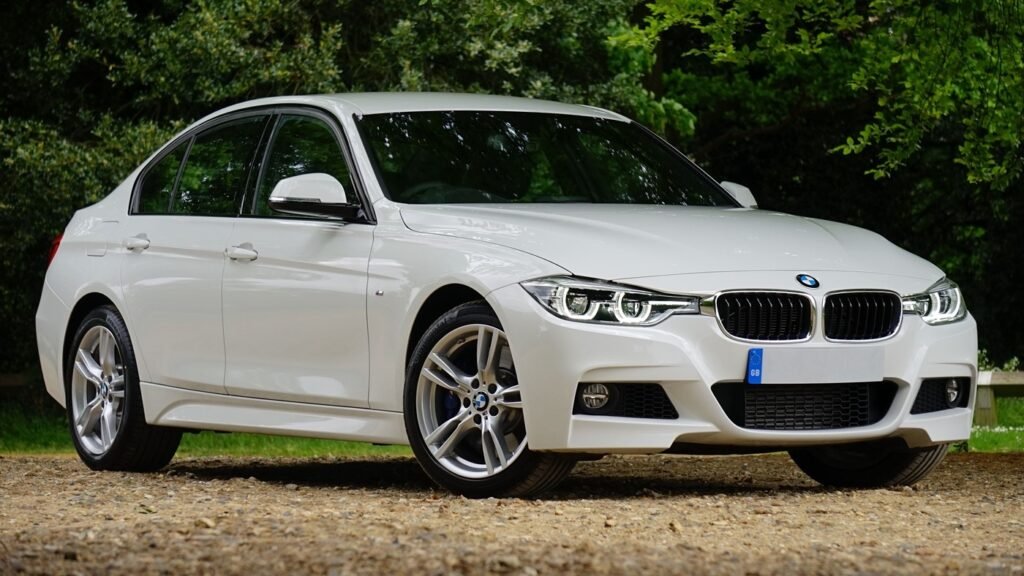
Buying your first car is exciting, but the paperwork that comes with it can feel overwhelming, and car insurance sits right at the top of that list. In India, motor insurance is not just a smart financial choice, it is a legal requirement under the Motor Vehicles Act. This beginner’s guide breaks down everything a new car owner needs to know, from the basic types of cover to how premiums are calculated and claims are settled.
The insurance world is full of jargon like IDV, NCB, own-damage, third-party liability and compulsory deductible, and these terms often scare off newcomers. The truth is that the core ideas are simple once explained in plain language. Insurance is regulated by the Insurance Regulatory and Development Authority of India, or IRDAI, which sets the rules that every insurer must follow, so the fundamentals stay consistent across companies.
A car represents a significant investment for most Indian families, often costing several lakh rupees. A single accident, theft, or natural disaster such as a flood can wipe out a large chunk of that value in minutes. Car insurance transfers that financial risk to an insurer in exchange for a yearly premium, protecting both your vehicle and your responsibility toward other people on the road who might be harmed.
By the end of this guide, you will understand the difference between third-party and comprehensive policies, how the Insured Declared Value affects your payout, what add-on covers are worth considering, and the exact steps to buy, renew and claim. Whether you drive a small hatchback or a premium SUV, the principles remain the same and will help you make a confident, informed decision.
Recommended Guide

How to Claim Health Insurance: A Step-by-Step Guide
Health Insurance Guide
A clear step-by-step guide to filing cashless and reimbursement health insurance claims in India without the stress.
What Car Insurance Actually Is and Why It Is Mandatory in India
Car insurance is a legal contract between you and an insurance company. You pay a premium, and in return the insurer promises to cover certain financial losses linked to your vehicle, such as damage from accidents, theft, fire or natural calamities, along with your legal liability if you injure another person or damage their property. The exact protection depends on the type of policy you choose.
Under the Motor Vehicles Act, every vehicle driven on Indian public roads must have at least a valid third-party liability cover. Driving without it is a punishable offence that can attract a fine, and repeat offences can lead to imprisonment or licence suspension. This rule exists to make sure accident victims are financially protected even if the at-fault driver cannot pay out of pocket.
Beyond the legal angle, insurance is a practical shield. Roads in India see heavy traffic, unpredictable conditions and frequent minor collisions. A dented bumper, a cracked windscreen or a flooded engine can cost tens of thousands of rupees to repair. Insurance spreads that risk so a single incident does not become a personal financial crisis.
- Legally mandatory third-party cover under the Motor Vehicles Act
- Covers own-damage from accidents, fire, theft and natural disasters
- Protects you against legal liability for injury to others
- Regulated by IRDAI for fairness and consistency
- Avoids heavy fines and legal trouble for driving uninsured
The Main Types of Car Insurance Policies Explained
There are three broad categories of motor insurance in India. The first is a third-party liability only policy, which is the minimum legally required cover. It pays for injury or death caused to another person and damage to their property or vehicle, but it does not pay a single rupee for damage to your own car. It is the cheapest option and suits older, low-value cars.
The second type is a standalone own-damage policy, which covers repairs to your own vehicle from accidents, fire, theft and natural events, but does not include third-party liability. It is usually bought alongside a separate third-party cover. The third and most popular type is a comprehensive policy, which bundles both third-party liability and own-damage protection into a single plan.
For most car owners, especially those with newer or higher-value vehicles, a comprehensive policy offers the best balance of protection and value. It can also be enhanced with add-on covers for even wider protection. Choosing the right type depends on your car’s age, its market value, how much you drive and your appetite for out-of-pocket risk.
- Third-party only: cheapest, legally sufficient, no own-car cover
- Standalone own-damage: repairs your car, no liability cover
- Comprehensive: combines liability plus own-damage protection
- Comprehensive can be extended with paid add-on covers
- Newer and premium cars benefit most from comprehensive plans
Comparing the Three Main Types of Car Insurance
This table summarises what each policy type covers so beginners can pick the right level of protection.
| Feature | Third-Party Only | Comprehensive |
|---|---|---|
| Legal requirement met | Yes | Yes |
| Damage to your own car | Not covered | Covered |
| Theft, fire and floods | Not covered | Covered |
| Third-party injury and property | Covered | Covered |
| Add-on covers available | No | Yes |
| Typical premium level | Lowest | Higher but fuller |
Recommended Guide
How to Compare Car Insurance Plans and Save Money
Car Insurance Guide
Compare car insurance plans the smart way and cut your premium without losing the cover that matters.
Understanding IDV: The Insured Declared Value of Your Car
The Insured Declared Value, or IDV, is one of the most important numbers in your policy. It is the current market value of your car as agreed between you and the insurer, and it represents the maximum amount you can receive if your vehicle is stolen or damaged beyond repair, known as a total loss. IDV is calculated on the car’s ex-showroom price minus depreciation based on its age.
A brand-new car has a high IDV close to its purchase price, and this value falls each year as the vehicle ages. For example, a car in its first year typically has a depreciation of around five percent, rising in later years. Registration charges, road tax and insurance cost are excluded from the IDV calculation, so the figure reflects only the vehicle’s own value.
Choosing the right IDV matters. A higher IDV means a slightly higher premium but a bigger payout in case of total loss, while a very low IDV reduces premium but leaves you short-changed if the car is lost. As a beginner, avoid the temptation to artificially lower the IDV just to save on premium, because it directly reduces your protection.
How Your Car Insurance Premium Is Calculated
Your premium is the amount you pay for the policy, and it is built from several parts. The own-damage premium depends mainly on the IDV, the car’s make, model, engine capacity, age and the city where it is registered. Metro cities with heavier traffic and higher theft rates often attract slightly higher premiums than smaller towns, because the insurer’s risk is greater.
The third-party premium is fixed by IRDAI each year and is based on the engine cubic capacity, so it does not vary between insurers. On top of these, any add-on covers you select increase the premium, while your accumulated No Claim Bonus reduces it. A compulsory deductible, the fixed amount you pay per claim, is also factored into the pricing.
Goods and Services Tax is applied on the final premium. Because the own-damage portion is competitive, comparing quotes from multiple insurers online can reveal meaningful differences for the same car. Always compare the actual coverage, IDV and add-ons offered, not just the headline price, so you understand exactly what you are paying for.
- IDV and car model drive the own-damage premium
- Third-party premium is fixed by IRDAI by engine capacity
- Add-on covers increase the premium
- No Claim Bonus lowers the premium at renewal
- GST is added on the total premium amount
- City of registration influences own-damage pricing
Recommended Guide

How to Choose the Best Bike Insurance Policy
Two-Wheeler Guide
Everything you need to pick the right two-wheeler insurance policy for your bike, riding needs and budget.
No Claim Bonus and How It Rewards Careful Drivers
The No Claim Bonus, or NCB, is a discount you earn for every claim-free policy year. It is one of the biggest ways to reduce your renewal premium over time. If you do not raise a single claim during a policy year, the insurer rewards you at renewal with a discount on the own-damage portion of your next premium, and this discount grows year after year up to a maximum limit.
Typically the NCB starts at around twenty percent after the first claim-free year and can rise to around fifty percent after five consecutive claim-free years. Importantly, NCB is linked to you as the policyholder, not to the car, so when you sell your old car and buy a new one you can transfer the accumulated bonus to the new vehicle’s policy.
A single claim resets your NCB, so it is often wise to pay for very small repairs yourself rather than claim and lose a large discount. You can also protect your bonus by buying an NCB protection add-on, which allows a limited number of claims without wiping out your accumulated discount. This makes NCB a genuine reward for safe, careful driving.
Cashless Network Garages and Claim Settlement Basics
When you buy a policy, the insurer partners with a list of approved repair workshops called cashless network garages. If your car is repaired at one of these garages after an accident, the insurer settles the bill directly with the workshop, and you only pay your share such as the compulsory deductible and any depreciation on parts. This is far more convenient than paying upfront.
If you use a garage outside the network, you pay the full repair cost yourself and then file for reimbursement, submitting bills and documents to the insurer. This is called a reimbursement claim and takes longer because you fund the repair first. Choosing an insurer with a wide cashless network in your city is therefore a practical advantage worth checking before you buy.
For every claim, you must inform the insurer promptly, and in accident or theft cases you should also lodge a police report. The insurer may send a surveyor to assess the damage before approving repairs. Keeping your documents, photographs of the damage and the claim reference number handy makes the whole process smoother and faster.
- Cashless garages let the insurer pay the workshop directly
- You pay only the deductible and applicable depreciation
- Non-network repairs need a slower reimbursement claim
- Always inform the insurer promptly after an incident
- Police report is essential for accidents and theft
- A surveyor may inspect the damage before approval
Sample No Claim Bonus Slabs Over Claim-Free Years
The following illustrative slabs show how the No Claim Bonus discount typically grows with each claim-free year.
| Claim-Free Years | Typical NCB Discount |
|---|---|
| After 1 year | Around 20 percent |
| After 2 years | Around 25 percent |
| After 3 years | Around 35 percent |
| After 4 years | Around 45 percent |
| After 5 years | Around 50 percent |
Recommended Guide

How to Choose the Best Life Insurance Policy
Life Insurance Guide
A practical guide to choosing a life insurance policy that genuinely protects your family and fits your goals.
How to Buy or Renew Car Insurance as a First-Timer
Buying car insurance today is largely a digital process. When you purchase a new car, the dealer usually arranges a first-year policy, but you are free to compare and choose your own insurer. To buy or renew online, you enter your car’s registration details, select the policy type and IDV, add any covers you want, and pay the premium. The policy document arrives instantly by email.
Renewal is due every year, and letting a policy lapse is risky because you lose legal cover and may forfeit your accumulated No Claim Bonus if the gap is too long. Set a reminder well before the expiry date. If your policy has already lapsed, most insurers will require a fresh inspection of the car before issuing a new cover.
Before finalising any policy, read the coverage summary, the list of exclusions and the claim process carefully. Verify the IDV, confirm the add-ons you selected are included, and keep both the policy document and a soft copy in your phone. A valid insurance certificate must be produced during traffic checks, so easy access is important.
- Compare quotes online across multiple insurers
- Verify IDV, add-ons and exclusions before paying
- Renew before the expiry date to keep NCB intact
- Lapsed policies may need a fresh car inspection
- Keep a digital copy of the policy on your phone
Common Beginner Mistakes to Avoid With Car Insurance
The most frequent mistake first-time buyers make is choosing the cheapest third-party only policy for a new, valuable car simply to save money. This leaves the car itself completely unprotected against accidents, theft and floods. For a car worth several lakh rupees, the small extra premium for comprehensive cover is almost always worthwhile and provides genuine peace of mind.
Another common error is understating facts to reduce the premium, such as declaring a lower IDV or hiding modifications and the true usage of the vehicle. Any mismatch between what you declared and the actual facts can lead to a claim being reduced or rejected. Honesty at the proposal stage protects you when you actually need to make a claim.
Beginners also tend to ignore the fine print on exclusions, deductibles and add-on conditions. For instance, they may not realise that ordinary comprehensive cover applies depreciation on replaced parts, or that engine damage from driving through a flood may not be covered without a specific add-on. Reading the policy wording once, before buying, prevents unpleasant surprises later.
- Do not pick third-party only for a new, high-value car
- Never understate IDV or hide car modifications
- Read exclusions and deductible clauses carefully
- Understand depreciation on parts in normal claims
- Check whether flood and engine damage need add-ons
- Renew on time to preserve your No Claim Bonus
Frequently Asked Questions
Is car insurance legally mandatory in India?
Yes, at least a third-party liability cover is legally mandatory for every vehicle under the Motor Vehicles Act. Driving without valid insurance is a punishable offence that can attract fines and, for repeat offences, more serious penalties. The rule exists to protect accident victims financially. Most owners go beyond the minimum and buy comprehensive cover for fuller protection.
What is the difference between third-party and comprehensive insurance?
Third-party insurance only covers your legal liability for injury or damage caused to others, and it pays nothing for your own car. Comprehensive insurance covers both third-party liability and damage to your own vehicle from accidents, theft, fire and natural disasters. Comprehensive costs more but offers far wider protection. It can also be extended with add-on covers for specific needs.
What does IDV mean in a car insurance policy?
IDV stands for Insured Declared Value, which is the current market value of your car as agreed with the insurer. It is the maximum amount you can receive if the car is stolen or written off in a total loss. IDV reduces each year as the vehicle depreciates with age. Choosing a fair IDV ensures you get an adequate payout without overpaying premium.
How is my car insurance premium decided?
The own-damage premium depends on the IDV, car model, engine capacity, age and city of registration, while the third-party premium is fixed by IRDAI based on engine cubic capacity. Add-on covers increase the premium and your No Claim Bonus reduces it. GST is applied on the final amount. Comparing quotes online helps you find the best value for the same coverage.
What is a No Claim Bonus and how do I keep it?
A No Claim Bonus is a discount you earn for every policy year in which you do not make a claim, and it grows year after year up to a maximum. It is linked to you as the policyholder, so it transfers when you change cars. Making a claim usually resets the bonus to zero. You can preserve it by avoiding small claims or by buying an NCB protection add-on.
What are cashless network garages?
Cashless network garages are repair workshops approved by your insurer where the company settles the repair bill directly. You only pay your share, such as the compulsory deductible and depreciation on parts. This is more convenient than paying the full amount and claiming reimbursement later. Checking that your insurer has a wide cashless network in your city is a useful step before buying.
Can I renew my car insurance online?
Yes, renewal is a simple online process where you enter your car and policy details, review the IDV and add-ons, and pay the premium. The renewed policy is issued instantly by email. It is important to renew before the expiry date so you do not lose legal cover or your accumulated No Claim Bonus. A lapsed policy may require a fresh inspection of the car.
Does comprehensive insurance cover everything?
Comprehensive insurance covers a wide range of risks but not absolutely everything, and it comes with exclusions such as normal wear and tear, mechanical breakdown and driving under the influence. It also applies depreciation on replaced parts unless you add a zero depreciation cover. Reading the policy wording helps you understand what is included. Add-on covers can fill many of these gaps.
What is a compulsory deductible?
A compulsory deductible is a fixed amount you must pay out of your own pocket on every own-damage claim, with the insurer covering the rest. It is set by the policy and depends on the engine capacity of the car. The purpose is to discourage very small claims and keep premiums reasonable. You can sometimes opt for a higher voluntary deductible to reduce your premium.
Do I need insurance for a very old car?
Yes, even an old car legally needs at least a valid third-party liability cover to be driven on public roads. For an old, low-value vehicle, many owners choose third-party only because the own-damage payout would be small after heavy depreciation. However, if the car still holds meaningful value, comprehensive cover can still be worthwhile. The right choice depends on the car’s current market value and your risk comfort.
External Resource

IRDAI – Official Insurance Regulator
Official Resource
Understand your rights as a policyholder, verify registered insurers, and access official resources on the IRDAI website before you decide.
Disclaimer
This page is not affiliated with IRDAI, any insurer, or any government body. Motor insurance premiums, IDV, add-ons, and terms vary by insurer and vehicle. This content is for general information only and is not professional insurance or financial advice. Always confirm details with an IRDAI-registered insurer or a licensed advisor.
Unlock the content recommendation
Protected connection