

A base term insurance policy pays a lump sum to your family if you die during the policy term, which covers the single most important risk. But life presents other financial shocks, such as a disabling accident, a serious illness or the loss of your ability to earn, that a plain term plan does not address. Riders are optional add-ons that extend your policy to cover these additional risks for a relatively small extra premium.
Riders are attractive because they let you customise a single policy to your circumstances rather than buying separate standalone products. Attached at the time of purchase, or sometimes later, they widen your protection while keeping administration simple, since everything sits within one policy managed by one insurer. This convenience, combined with modest cost, makes riders a valuable tool when chosen thoughtfully.
However, riders are not a case of the more the better. Each one adds to your premium, and some address risks you may already cover through other insurance, such as a comprehensive health policy. The skill lies in identifying which riders genuinely strengthen your protection given your occupation, health, family history and existing cover, and adding only those that earn their cost.
This guide explains the main riders available with term plans in India, how each works, who benefits most from it, and how to weigh the extra premium against the risk it addresses. It focuses on the riders most widely regarded as worth considering, including accidental death benefit, critical illness, waiver of premium and accidental disability, all regulated within the IRDAI framework.
Recommended Guide

How to Claim Health Insurance: A Step-by-Step Guide
Health Insurance Guide
A clear step-by-step guide to filing cashless and reimbursement health insurance claims in India without the stress.
What Riders Are and How They Work
A rider is an optional benefit bolted onto your base term policy that provides additional cover for a defined event, in exchange for an extra premium added to your regular payment. Riders cannot be bought on their own; they attach to and depend on the underlying term plan. Together they let you assemble a single, tailored protection package rather than juggling multiple separate policies.
Each rider has its own terms, sum assured or benefit amount, and conditions. Some pay an additional lump sum on top of the base death benefit, such as accidental death cover, while others pay on a different trigger entirely, such as the diagnosis of a listed critical illness. Understanding exactly when each rider pays, and what it excludes, is essential before adding it.
Riders are typically most economical when added at the time you buy the base policy, since they are underwritten together and the extra cost is small relative to buying standalone equivalents. All rider structures are filed within the IRDAI framework, and the same principles of honest disclosure and reading the policy wording apply as strongly to riders as to the base plan.
- Riders are optional add-ons to a base term plan
- They cannot be bought as standalone policies
- Each has its own benefit amount and trigger
- Adding at purchase is usually most economical
- Honest disclosure applies to riders too
Accidental Death Benefit Rider
The accidental death benefit rider pays an additional sum assured, over and above the base death benefit, if death results from an accident. So if you hold a ₹1 crore base cover with a ₹50 lakh accidental rider, an accidental death would pay ₹1.5 crore to your nominee, while a natural-cause death would pay the base ₹1 crore. This roughly doubles or boosts the payout when death is accidental.
This rider is especially relevant for people with higher accidental exposure, such as those who commute long distances, travel frequently for work, or work in fields with physical risk. Given how common road accidents are in India, the additional cover can meaningfully strengthen a family’s financial cushion at a low extra premium.
It is important to note the rider pays only for death classified as accidental under the policy definition, and certain circumstances may be excluded. It does not replace the base cover but supplements it. For most buyers the extra premium is modest, making it one of the more popular and cost-effective riders to consider.
- Pays an extra sum if death is accidental
- Supplements, not replaces, the base death benefit
- Valuable for frequent commuters and travellers
- Relevant given high road-accident rates in India
- Only accidental death as defined qualifies
Common Term Insurance Riders Compared
An overview of the main riders, what triggers them and who benefits most.
| Rider | Pays On | Best For |
|---|---|---|
| Accidental death benefit | Death due to an accident | Frequent travellers and commuters |
| Critical illness | Diagnosis of listed illnesses | Those without separate CI cover |
| Waiver of premium | Disability or critical illness | Sole breadwinners |
| Accidental disability | Permanent disability from accident | Physically demanding jobs |
| Income benefit | Death, paid as monthly income | Families wanting steady income |
Recommended Guide
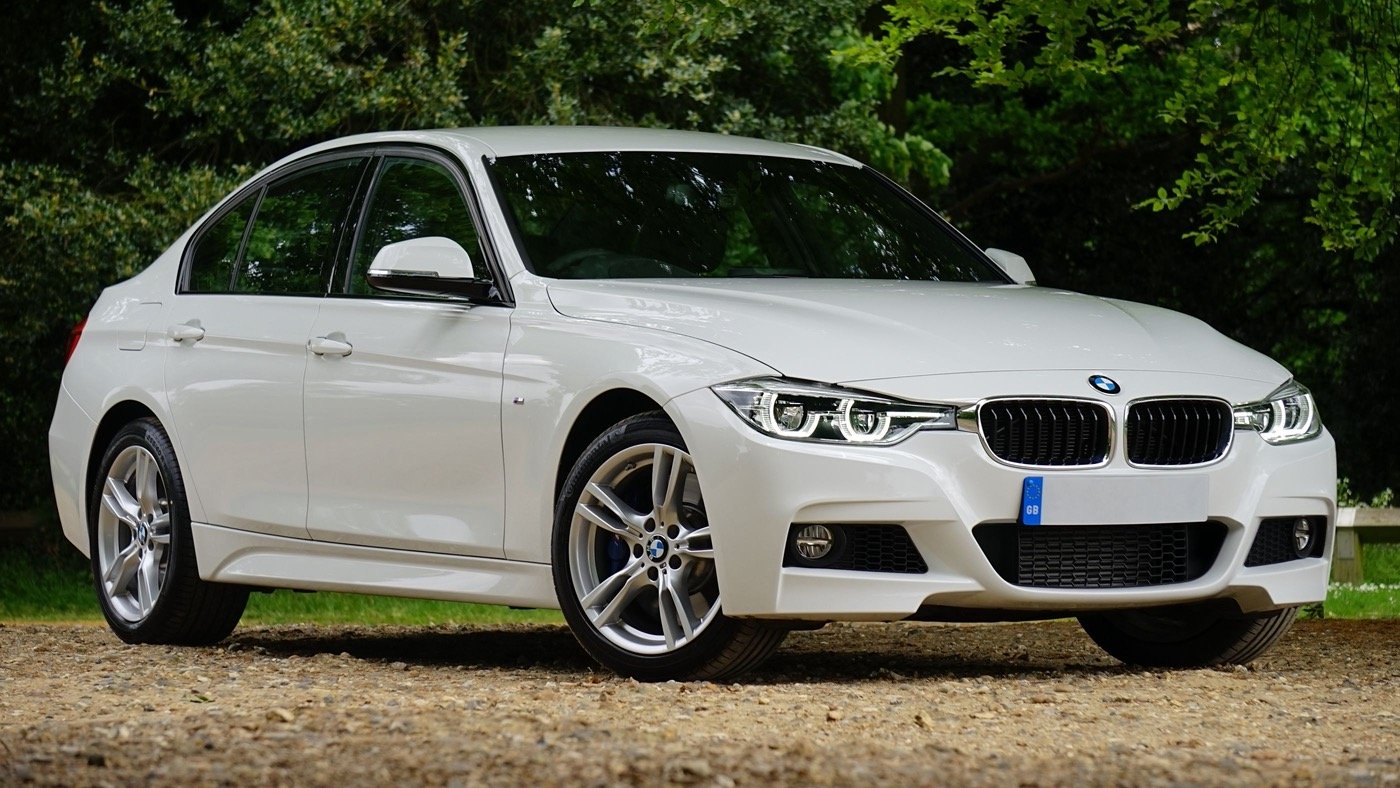
How to Compare Car Insurance Plans and Save Money
Car Insurance Guide
Compare car insurance plans the smart way and cut your premium without losing the cover that matters.
Critical Illness Rider
The critical illness rider pays a lump sum on the diagnosis of any of a defined list of serious conditions, such as cancer of specified severity, heart attack, stroke, kidney failure or major organ transplant. The payout is made on diagnosis, regardless of whether you survive, and can be used for treatment, to replace lost income during recovery, or to clear debts.
This rider addresses a real and growing risk, as lifestyle-related illnesses become more common in India, and treatment for serious conditions can be very expensive. Unlike a health policy that reimburses hospital bills, the critical illness rider hands you a lump sum to use as you see fit, which helps cover the wider financial impact of a major illness beyond just medical costs.
Buyers should read the list of covered conditions, the severity definitions and the waiting and survival periods carefully, as these vary. Those with a family history of serious illness, or without a separate critical illness or comprehensive health cover, benefit most. The rider adds more to the premium than an accidental rider, so weigh it against your existing health protection.
- Lump sum on diagnosis of listed serious illnesses
- Paid regardless of survival, used as you choose
- Covers income loss beyond hospital bills
- Check covered conditions, waiting and survival periods
- Best for those with family history or no CI cover
Waiver of Premium Rider
The waiver of premium rider is one of the most valuable yet underrated add-ons. If you become totally and permanently disabled, or in some versions are diagnosed with a critical illness, the insurer waives all future premiums while keeping the policy and its cover fully in force. Your family’s protection continues intact even though you no longer pay.
This matters because the events that trigger the waiver, disability or serious illness, are precisely those that damage your ability to earn and therefore to keep paying premiums. Without this rider, a disabled policyholder unable to pay might see the policy lapse just when protection is most needed. The waiver ensures the safety net does not collapse at the worst moment.
The extra premium for this rider is usually small relative to the security it provides, which is why many planners consider it near-essential for a sole breadwinner. It effectively protects the policy itself, ensuring that the base death benefit remains available to your family regardless of a mid-term loss of your earning capacity.
- Future premiums waived on disability or critical illness
- Policy and cover continue fully in force
- Protects against lapse when you cannot earn
- Especially valuable for a sole breadwinner
- Small extra premium for significant security
Recommended Guide

How to Choose the Best Bike Insurance Policy
Two-Wheeler Guide
Everything you need to pick the right two-wheeler insurance policy for your bike, riding needs and budget.
Accidental Disability and Income Riders
The accidental total and permanent disability rider provides financial support if an accident leaves you permanently disabled and unable to work, typically paying a lump sum or a series of instalments. This addresses a gap that pure death cover ignores, namely surviving an accident but losing your income-earning ability, which can be financially devastating for a family.
Some insurers offer income-benefit riders that convert part of the payout into a regular monthly income for your family over a set number of years, in addition to or instead of a lump sum. This suits families who prefer a steady replacement of your salary for budgeting rather than managing a single large amount, providing structure during a difficult period.
These riders are particularly relevant for sole earners and those in occupations with physical risk. As with all riders, the definitions of disability and the payout structure vary between insurers, so read the terms closely. Where disability could leave your family without income, these riders fill an important protection gap that death cover alone cannot.
- Support if an accident causes permanent disability
- Covers loss of earning ability, not just death
- Income-benefit riders pay a regular monthly amount
- Suits families preferring steady income replacement
- Definitions and payouts vary between insurers
How to Decide Which Riders You Need
Start by mapping your specific risks. Consider your occupation, commute, travel, family medical history and existing insurance. Someone who drives long distances daily gains most from accidental cover, while a person with a family history of heart disease or cancer may prioritise the critical illness rider. A sole breadwinner almost always benefits from waiver of premium.
Next, check for overlap with cover you already hold. If you have a comprehensive health policy or a separate critical illness plan, you may not need the critical illness rider as well. The aim is to fill genuine gaps rather than duplicate protection, so review your total insurance picture before adding riders that repeat existing cover.
Finally, weigh each rider’s extra premium against the specific risk it addresses. Riders are cost-effective precisely because they are cheap relative to standalone products, but adding every option inflates your premium unnecessarily. Choose a focused set of riders that match your real exposures, and revisit them if your circumstances or existing cover change over time.
- Map your occupation, commute, travel and health history
- Prioritise riders that match your biggest risks
- Avoid duplicating cover you already hold
- Weigh each rider’s premium against its benefit
- Choose a focused set, not every available option
- Revisit riders as your circumstances change
Cost Versus Benefit Snapshot
A general sense of relative cost and the gap each rider fills.
| Rider | Relative Extra Cost | Gap It Fills |
|---|---|---|
| Accidental death benefit | Low | Higher payout on accidental death |
| Waiver of premium | Low | Keeps policy alive if you cannot earn |
| Critical illness | Moderate | Lump sum and income loss from illness |
| Accidental disability | Low to moderate | Income loss from disability |
| Income benefit | Low | Structured monthly family income |
Recommended Guide

How to Choose the Best Life Insurance Policy
Life Insurance Guide
A practical guide to choosing a life insurance policy that genuinely protects your family and fits your goals.
Costs, Exclusions and Things to Watch
Each rider adds to your total premium, and while individually modest, several together can raise the cost noticeably. It is worth comparing the combined premium of your base plan plus riders against the value each rider brings, so you do not pay for protection you will not realistically use. A lean, well-chosen set of riders offers the best value.
Riders carry their own exclusions, waiting periods and definitions, which differ from the base policy and between insurers. A critical illness rider, for instance, covers only listed conditions at defined severities and may have a survival period before it pays. An accidental rider pays only for death or disability meeting the policy’s accident definition. Reading these details prevents unpleasant surprises at claim time.
Also consider whether a rider can be added later or only at purchase, and whether its benefit reduces the base sum assured or sits on top of it. Some riders accelerate the base benefit rather than adding to it. Understanding these mechanics ensures you know exactly what your family would receive under each scenario, which is the whole point of buying the rider.
- Several riders together can raise the premium noticeably
- Each rider has its own exclusions and waiting periods
- Critical illness covers only listed conditions
- Check whether the rider adds to or reduces base cover
- Confirm whether a rider can be added later
Building a Sensible Rider Combination
For a typical young sole breadwinner with a home loan, a sensible combination often includes waiver of premium and accidental death benefit, since these protect both the policy and the family against the most common shocks at a low added cost. A critical illness rider can be added if there is no separate health or critical illness cover, or a family history of serious disease.
For someone who already holds strong health and critical illness cover elsewhere, the focus might shift to accidental death and disability riders that their health policy does not address. The right combination is personal, built from your risk map and existing protection rather than from a standard template, and it should change as your life and cover evolve.
Whatever combination you choose, the principle is the same: riders should close genuine gaps efficiently. A base term plan with a couple of well-matched riders usually delivers far better value than a plain plan that leaves obvious risks uncovered or an over-loaded plan stuffed with add-ons you do not need. Review the mix periodically to keep it aligned with your life.
- Sole breadwinner: waiver of premium plus accidental cover
- Add critical illness if no separate health or CI cover
- Focus on gaps your existing cover leaves open
- Build from your risk map, not a standard template
- Review the rider mix as your life and cover change
Frequently Asked Questions
What is a rider in term insurance?
A rider is an optional add-on benefit attached to your base term policy that provides extra cover for a defined event, in exchange for an additional premium. Riders cannot be bought on their own; they depend on the underlying term plan. They let you customise a single policy to your circumstances, covering risks such as accidents, critical illness or loss of earning ability, while keeping everything within one policy managed by one insurer.
Which term insurance rider is the most useful?
There is no single answer, as it depends on your circumstances, but the waiver of premium rider is widely valued because it keeps your policy fully in force if disability or critical illness stops your income. For those with accidental exposure, the accidental death benefit rider is popular and cheap. A sole breadwinner often benefits most from combining waiver of premium with accidental cover. Choose based on your specific risks rather than popularity alone.
Do I need a critical illness rider if I have health insurance?
Not necessarily, because the two serve different purposes. A health policy reimburses hospital bills, while a critical illness rider pays a lump sum on diagnosis that you can use for anything, including replacing lost income. If you already hold strong health and separate critical illness cover, you may not need the rider as well. If you lack such cover or have a family history of serious illness, the rider can fill an important gap.
How much do riders add to my premium?
Individually, most riders add a relatively small amount to your premium, which is what makes them cost-effective compared with buying standalone products. A critical illness rider typically costs more than an accidental death rider. Several riders together, however, can raise the total noticeably, so it is worth comparing the combined premium against the value each rider brings. A lean set of well-matched riders offers the best value.
Can I add riders after buying the policy?
It depends on the insurer and the specific rider. Many riders are most economical and straightforward when added at the time you buy the base policy, since they are underwritten together. Some insurers allow certain riders to be added later, often at a policy anniversary and subject to underwriting. Check the terms before purchase if you think you may want to add a rider in future, as options can be limited later.
What does the waiver of premium rider do exactly?
If you become totally and permanently disabled, or in some versions are diagnosed with a critical illness, the waiver of premium rider means the insurer waives all your future premiums while keeping the policy and its cover fully in force. This protects your family’s coverage precisely when your ability to earn and pay is compromised. Without it, a policy could lapse at the worst moment. The small extra premium makes it valuable for sole earners.
Does the accidental death rider replace my base cover?
No, it supplements the base death benefit rather than replacing it. If death results from an accident as defined in the policy, the rider pays an additional sum on top of the base cover, boosting the total your nominee receives. For a natural-cause death, only the base benefit is paid. The rider is valuable for those with higher accidental exposure, such as frequent travellers, and usually costs only a modest extra premium.
Are riders worth the extra cost?
Well-chosen riders are usually worth it because they close genuine gaps at a low cost relative to standalone products. The key is to add only those that match your real risks and do not duplicate cover you already hold. Adding every available rider inflates your premium unnecessarily. A focused combination, such as waiver of premium and accidental cover for a sole breadwinner, typically delivers strong value for the modest additional premium.
Do riders have their own exclusions and waiting periods?
Yes, each rider carries its own terms, exclusions, waiting periods and definitions, which differ from the base policy and between insurers. A critical illness rider, for example, covers only listed conditions at defined severities and may have a survival period before paying. An accidental rider pays only for events meeting the policy’s accident definition. Reading these details carefully before adding a rider prevents surprises when a claim is made.
How do I choose the right combination of riders?
Start by mapping your specific risks based on your occupation, commute, travel, family medical history and existing insurance. Prioritise riders that address your biggest exposures and avoid duplicating cover you already hold. Weigh each rider’s extra premium against the benefit it provides, and choose a focused set rather than every option. Revisit the combination periodically, as your circumstances and existing cover change over time, to keep it aligned with your needs.
External Resource

IRDAI – Official Insurance Regulator
Official Resource
Understand your rights as a policyholder, verify registered insurers, and access official resources on the IRDAI website before you decide.
Disclaimer
This page is not affiliated with IRDAI, any insurer, or any government body. Term insurance features, riders, premiums, and tax rules vary. This content is for general information only and is not professional insurance, tax, or financial advice. Always confirm details with an IRDAI-registered insurer or a licensed advisor.
Unlock the content recommendation
Protected connection