
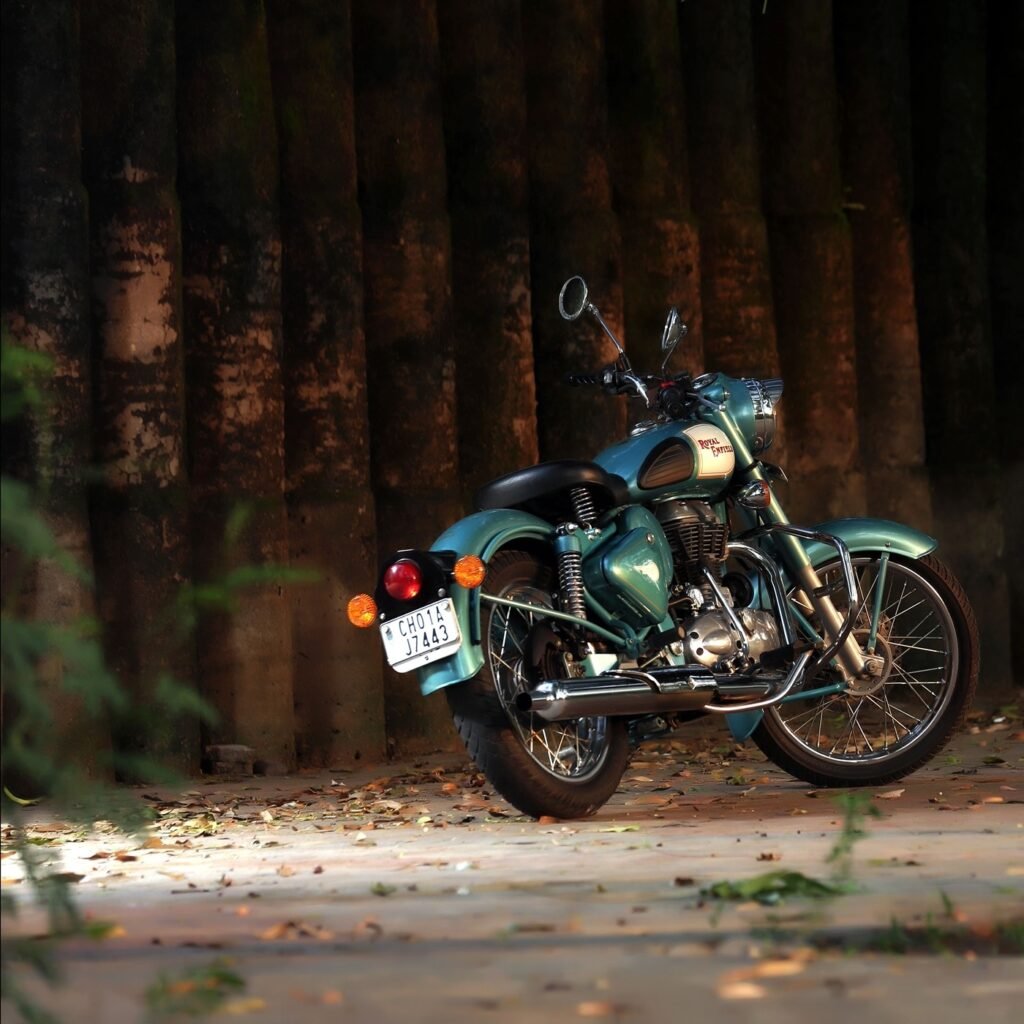
Third-party bike insurance is the most basic and the only legally mandatory form of two-wheeler cover in India. It exists to protect other people, rather than your own bike, by paying for injury, death, or property damage that you cause to a third party while riding. Because it is required by the Motor Vehicles Act, every two-wheeler on Indian public roads must carry at least this cover, making it the foundation of the country’s motor insurance framework.
The purpose of making third-party cover compulsory is social as much as financial. When an accident causes injury or death, the victim and their family deserve assured compensation regardless of whether the rider at fault can afford to pay. Third-party insurance ensures this compensation is available, shifting the burden from an individual rider to an insurer. This is why the law treats riding without it as a punishable offence.
For riders, third-party cover is the cheapest way to stay legal, but it is important to understand exactly what it does and does not do. It provides no protection for your own two-wheeler against accident damage, theft, or fire, and it does not cover your own injuries beyond the separate mandatory personal accident cover. Knowing these limits helps you decide whether bare third-party cover is enough or whether you need comprehensive protection.
This guide explains third-party two-wheeler insurance in full: what it covers and excludes, why it is mandatory, how the rates are set by IRDAI according to engine capacity, how it differs from comprehensive cover, the rules around long-term third-party cover for new bikes, the penalties for riding uninsured, and how to decide whether third-party alone is the right choice for your situation. It is written entirely for the Indian context.
Recommended Guide

How to Claim Health Insurance: A Step-by-Step Guide
Health Insurance Guide
A clear step-by-step guide to filing cashless and reimbursement health insurance claims in India without the stress.
What Third-Party Bike Insurance Actually Covers
Third-party bike insurance covers your legal liability to others when you cause an accident. Specifically, it pays for bodily injury or death of a third party, such as a pedestrian, another rider, or a passenger in another vehicle, and it covers damage you cause to a third party’s property, such as their vehicle or other belongings. The cover responds to claims made against you by the injured party, meeting the compensation you are legally obliged to provide.
For injury or death of a third party, the compensation is determined through the legal process and can be substantial, especially where serious injury or loss of life is involved. Third-party cover for these bodily injury claims is designed to meet this liability so that a single serious accident does not financially ruin the rider at fault. For property damage, there is typically a defined limit up to which the insurer will pay.
It is essential to understand that this cover is entirely outward-facing. It protects the people you might harm, not you or your own two-wheeler. Every rupee it pays goes to a third party, not to repairing your bike or compensating your own losses. This outward focus is exactly why the law makes it compulsory, since its social purpose is to guarantee compensation for accident victims across the country.
- Covers injury or death caused to a third party
- Covers damage to a third party’s property
- Responds to claims made against you as the rider
- Property damage is covered up to a defined limit
- Pays third parties, never your own bike or losses
Why Third-Party Cover Is Mandatory Under the Law
The Motor Vehicles Act makes third-party liability insurance compulsory for every vehicle used on public roads, including all two-wheelers. The legal reasoning is that road accidents can cause serious harm to innocent people, and society needs a mechanism to ensure victims are compensated even when the person at fault cannot pay. Mandatory third-party insurance provides exactly this assurance, backed by the insurance industry.
This compulsory nature means that having valid third-party cover is a condition of legally riding your bike. It is not a matter of personal choice or risk appetite; it is a legal requirement tied to the very act of using the vehicle on public roads. Enforcement is taken seriously, and riders can be checked for valid insurance during routine traffic stops or after an accident.
The mandatory framework also underpins the compensation process for victims. Because every vehicle is required to carry the cover, an injured party generally has a route to claim compensation from the at-fault rider’s insurer. This system reduces the number of accident victims left without recourse and spreads the financial risk of road use across all vehicle owners through their premiums, serving a clear public interest.
What Third-Party Cover Includes and Excludes
This table clarifies what a third-party-only two-wheeler policy does and does not protect.
| Item | Third-Party Cover |
|---|---|
| Injury or death to a third party | Covered |
| Damage to a third party’s property | Covered up to a limit |
| Damage to your own bike | Not covered |
| Theft or fire affecting your bike | Not covered |
| No Claim Bonus and add-ons | Not available |
Recommended Guide
How to Compare Car Insurance Plans and Save Money
Car Insurance Guide
Compare car insurance plans the smart way and cut your premium without losing the cover that matters.
How IRDAI Sets Third-Party Rates by Engine Capacity
The premium for third-party two-wheeler cover is not left to the market; it is set by IRDAI and is uniform across all insurers. The rate depends on the bike’s engine capacity, measured in cubic centimetres, with the regulator defining slabs and assigning a fixed rate to each. A small-capacity scooter falls into a lower slab with a lower rate, while a high-capacity motorcycle sits in a higher slab with a higher rate.
Because the rate is regulated, there is no benefit to shopping around for a cheaper third-party premium; every insurer charges the same amount for a bike in a given engine-capacity slab. This makes the third-party component predictable and transparent. The regulator periodically reviews and revises these rates, which is why the third-party premium can change from one year to the next even if nothing about your bike has changed.
The engine-capacity basis reflects the general relationship between a bike’s power and its potential to cause harm. This standardised approach keeps the mandatory cover affordable and consistent across the country, ensuring that the social objective of universal third-party protection is met without insurers competing away the coverage. Understanding the slab system helps you anticipate the fixed cost of insuring any two-wheeler you consider buying.
- Third-party rates are set by IRDAI, not the market
- Rates depend on engine-capacity slabs in cc
- Every insurer charges the same rate for a given slab
- Higher engine capacity means a higher fixed rate
- Rates are periodically revised by the regulator
What Third-Party Insurance Does Not Cover
The most important limitation of third-party cover is that it provides no protection for your own two-wheeler. If your bike is damaged in an accident, stolen, destroyed by fire, or affected by a natural calamity, a third-party-only policy pays nothing toward your loss. You bear the full cost of repairing or replacing your own vehicle yourself, which can be a serious financial burden, especially for a newer bike.
Third-party cover also does not include the many add-ons available on comprehensive policies, such as zero depreciation, engine protection, or return to invoice, because those attach to the own-damage side. There is likewise no No Claim Bonus on a third-party-only policy, since NCB is a discount on the own-damage premium that a bare third-party policy does not have. Riders seeking these benefits must upgrade to comprehensive cover.
The owner-rider’s own injuries are handled through a separate mandatory personal accident cover rather than the third-party liability itself, which is directed at others. So while third-party cover keeps you legal and protects the people you might harm, it leaves a wide gap around your own bike and your own broader losses. Recognising these exclusions is essential before deciding that third-party alone is sufficient for your needs.
- No cover for damage to your own bike
- No cover for theft, fire, or natural calamities to your bike
- No add-ons such as zero depreciation available
- No No Claim Bonus on a third-party-only policy
- Own injuries handled by separate personal accident cover
Recommended Guide
How to Choose the Best Bike Insurance Policy
Two-Wheeler Guide
Everything you need to pick the right two-wheeler insurance policy for your bike, riding needs and budget.
Third-Party Versus Comprehensive: Making the Choice
The choice between third-party and comprehensive cover comes down to how much protection you want for your own two-wheeler. Third-party cover is the cheaper option and satisfies the legal requirement, but it leaves your own bike entirely unprotected. Comprehensive cover combines the mandatory third-party liability with own-damage protection and access to add-ons, at a higher premium, giving you a much fuller safety net.
For a new or valuable two-wheeler, comprehensive cover is usually the wiser choice, because the cost of repairing or replacing the bike after an accident or theft is high, and the own-damage protection is worth far more than the extra premium. For such bikes, relying on third-party alone means accepting a large personal risk during the years when the vehicle is most valuable and most attractive to thieves.
For a very old, low-value bike, the calculation can shift. When the bike is worth little, the own-damage premium may feel disproportionate to the small potential payout, and some owners of such vehicles choose bare third-party cover to stay legal at minimum cost. The right decision depends on your bike’s value, your financial ability to absorb a loss, and how much peace of mind the wider protection is worth to you.
- Third-party is cheaper and meets the legal minimum
- It leaves your own bike completely unprotected
- Comprehensive adds own-damage cover and add-ons
- Comprehensive suits new and valuable bikes best
- Bare third-party may suit very old, low-value bikes
Long-Term Third-Party Cover for New Two-Wheelers
To reduce the problem of vehicles running without valid insurance, regulations require new two-wheelers to be sold with a long-term third-party cover at the time of purchase, typically for a multi-year term. This means that when you buy a new bike, the mandatory liability protection is secured for several years upfront, removing the annual risk of the legally required cover lapsing through a forgotten renewal.
This long-term third-party cover locks the rate for its term, shielding you from the periodic revisions to third-party rates during that period. You pay the premium for the whole term at purchase, which secures continuity on the mandatory side. Many new owners combine this with an annual own-damage policy, so they can review their own-damage cover, IDV, and add-ons each year while the liability protection stays fixed.
When the long-term third-party period eventually ends, you must renew the liability cover to keep riding legally, so it is important to note that expiry date even though it is years away. Keeping track of both the long-term third-party expiry and any separate own-damage renewal date prevents an accidental gap in cover. This structure was introduced specifically to improve the proportion of insured vehicles on Indian roads.
Third-Party Versus Comprehensive at a Glance
Use this comparison to decide which type of cover suits your two-wheeler.
| Aspect | Third-Party Only | Comprehensive |
|---|---|---|
| Legal requirement met | Yes | Yes |
| Premium level | Lower | Higher |
| Own-damage protection | No | Yes |
| Add-ons available | No | Yes |
| Best suited for | Very old, low-value bikes | New and valuable bikes |
Recommended Guide

How to Choose the Best Life Insurance Policy
Life Insurance Guide
A practical guide to choosing a life insurance policy that genuinely protects your family and fits your goals.
Penalties for Riding Without Valid Third-Party Cover
Riding a two-wheeler without valid third-party insurance is an offence under the Motor Vehicles Act, and it can attract a fine if you are stopped by the authorities. Repeat offences typically carry higher penalties, reflecting the seriousness with which the law treats uninsured riding. These penalties exist to enforce the universal requirement for third-party cover and to protect potential accident victims.
Beyond the statutory fine, riding uninsured exposes you to unlimited personal liability if you cause an accident. Without the cover, any compensation you are legally required to pay to an injured third party comes entirely from your own resources. Since injury and death claims can be very large, a single accident while uninsured can have severe and lasting financial consequences for the rider at fault.
The penalties and exposure apply from the moment your cover is absent, whether because you never bought it or because your policy lapsed. There is no safe period during which riding uninsured is acceptable. This is why maintaining continuous valid third-party cover, and renewing it before expiry, is essential not only to avoid fines but to protect yourself from the potentially ruinous cost of an uninsured accident.
- Riding uninsured is an offence with a fine
- Repeat offences carry higher penalties
- You face unlimited personal liability for accidents you cause
- Injury and death claims can be very large
- Penalties apply from the first uninsured day
How to Buy or Renew Third-Party Bike Insurance
Buying or renewing third-party two-wheeler cover is straightforward, and it can be done online or through an agent. You provide your bike’s registration details, engine and chassis numbers, and your personal details, and because the rate is fixed by IRDAI according to engine capacity, the premium is the same regardless of which insurer you choose. This makes the process quick, with no need to compare prices on the third-party component itself.
For a new bike, the long-term third-party cover is arranged at purchase, so your first concern is usually renewing the liability cover when that term ends, or renewing an annual third-party policy on an older bike. Keeping your registration and contact details accurate ensures the policy matches your vehicle and that you receive renewal reminders in good time to avoid any lapse in the mandatory cover.
When renewing, it is worth reconsidering whether bare third-party cover still suits your needs or whether upgrading to comprehensive would serve you better, particularly if your bike is relatively new or valuable. Even if you stick with third-party, ensure the renewal happens before expiry so there is no gap. A few minutes spent renewing on time keeps you legal, protects accident victims, and shields you from fines and liability.
- Provide registration, engine, chassis and personal details
- The premium is the same across insurers for your slab
- New bikes get long-term third-party cover at purchase
- Keep details accurate for a matching policy and reminders
- Renew before expiry and reconsider comprehensive cover
Frequently Asked Questions
What exactly does third-party bike insurance cover?
Third-party bike insurance covers your legal liability to others when you cause an accident. It pays for bodily injury or death of a third party, such as a pedestrian or another road user, and for damage to a third party’s property up to a defined limit. Every rupee it pays goes to a third party, not to you or your own bike. It is the mandatory minimum cover required to ride legally in India.
Why is third-party insurance compulsory in India?
The Motor Vehicles Act makes third-party liability insurance compulsory so that accident victims are assured of compensation even when the rider at fault cannot pay. Road accidents can cause serious harm to innocent people, and the law provides a mechanism to protect them by requiring every vehicle to carry this cover. This social purpose is why riding without valid third-party insurance is treated as a punishable offence.
Does third-party insurance cover damage to my own bike?
No, third-party insurance provides no protection for your own two-wheeler. If your bike is damaged in an accident, stolen, or destroyed by fire, a third-party-only policy pays nothing toward your loss, and you bear the full cost yourself. To protect your own bike you need comprehensive cover, which combines the mandatory third-party liability with own-damage protection and access to add-ons.
How is the third-party premium decided?
The third-party premium is set by IRDAI and is uniform across all insurers, based on your bike’s engine capacity measured in cubic centimetres. The regulator defines slabs and assigns a fixed rate to each, so a small scooter pays less than a high-capacity motorcycle. Because the rate is regulated, there is no benefit to shopping around on this component. The rates are periodically revised by the regulator.
Is there any No Claim Bonus on a third-party policy?
No, there is no No Claim Bonus on a third-party-only policy, because NCB is a discount applied to the own-damage premium, which a bare third-party policy does not have. Similarly, add-ons such as zero depreciation are not available, since they attach to the own-damage side. To earn and enjoy a No Claim Bonus, you need a comprehensive or standalone own-damage two-wheeler policy.
What is long-term third-party cover for new bikes?
Regulations require new two-wheelers to be sold with a long-term third-party cover at purchase, typically for a multi-year term. This secures the mandatory liability protection for several years upfront, removing the annual risk of the legally required cover lapsing. It also locks the rate for that period. Many new owners pair it with an annual own-damage policy so they can review their own-damage cover each year.
What happens if I ride without third-party insurance?
Riding a two-wheeler without valid third-party insurance is an offence under the Motor Vehicles Act and can attract a fine, with higher penalties for repeat offences. Beyond the fine, you face unlimited personal liability for any injury or damage you cause, and such claims can be very large. The penalties and exposure apply from the first uninsured day, so continuous valid cover is essential.
Is third-party cover enough for my two-wheeler?
It depends on your bike’s value and your risk appetite. Third-party cover meets the legal minimum but leaves your own bike unprotected, so for a new or valuable two-wheeler comprehensive cover is usually wiser. For a very old, low-value bike where the own-damage premium feels disproportionate to the small potential payout, bare third-party cover may be a reasonable choice to stay legal at minimum cost.
Does third-party cover include my own injuries?
No, the third-party liability itself is directed at compensating others, not you. The owner-rider’s own injuries are handled through a separate mandatory personal accident cover rather than the third-party liability portion. So while third-party insurance protects the people you might harm and keeps you legal, protecting yourself and your own bike requires additional cover beyond the basic third-party policy.
How do I buy or renew third-party bike insurance?
You can buy or renew third-party cover online or through an agent by providing your bike’s registration, engine and chassis numbers, and personal details. Since the rate is fixed by IRDAI for your engine-capacity slab, the premium is the same across insurers. Keep your details accurate so the policy matches your vehicle and you receive renewal reminders, and always renew before expiry to avoid a lapse in the mandatory cover.
External Resource

IRDAI – Official Insurance Regulator
Official Resource
Understand your rights as a policyholder, verify registered insurers, and access official resources on the IRDAI website before you decide.
Disclaimer
This page is not affiliated with IRDAI, any insurer, or any government body. Two-wheeler insurance premiums, IDV, add-ons, and terms vary by insurer and vehicle. This content is for general information only and is not professional insurance or financial advice. Always confirm details with an IRDAI-registered insurer or a licensed advisor.
Unlock the content recommendation
Protected connection