
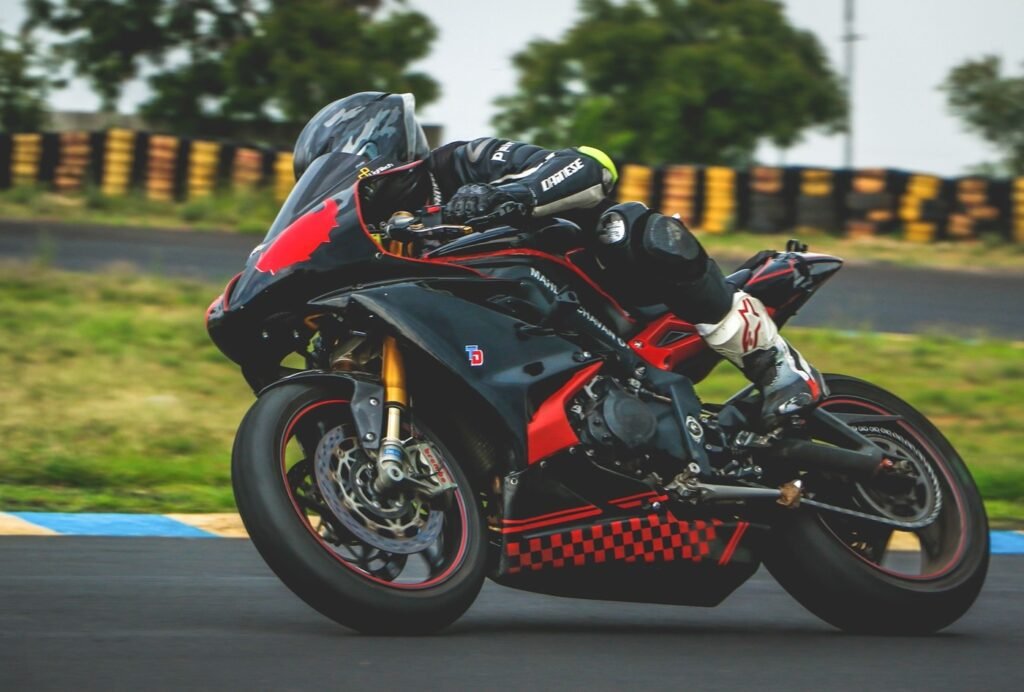
A basic comprehensive two-wheeler policy covers own damage and mandatory third-party liability, but it leaves several practical gaps that can cost you dearly when a claim actually arises. Add-on covers, also called riders, are optional enhancements you buy on top of your own-damage or comprehensive policy to close those gaps. For a small extra premium, the right add-ons can dramatically improve the real-world value you receive when your bike is damaged, stolen, or stranded.
The most important thing to understand about add-ons is that they are only available with a comprehensive or standalone own-damage policy, never with a bare third-party liability cover. Because the third-party portion is fixed by IRDAI and pays only for damage you cause to others, add-ons attach to the own-damage side that protects your own two-wheeler. Choosing them thoughtfully lets you build a policy tailored to how and where you actually ride.
Not every add-on is worth buying for every rider. A brand-new premium motorcycle in a flood-prone city has very different needs from an older commuter scooter in a dry region. The value of an add-on depends on your bike’s age and value, your riding environment, and how much financial protection you want. Paying for riders you will never use is wasteful, while skipping the ones you genuinely need can leave you badly exposed.
This guide walks through the most useful two-wheeler add-on covers available in the Indian market, explaining what each one does, who benefits most from it, and how they interact with core features such as IDV and No Claim Bonus. By the end you will be able to assemble a sensible, cost-effective combination of add-ons that matches your bike and your riding life rather than blindly accepting whatever an agent bundles in.
Recommended Guide

How to Claim Health Insurance: A Step-by-Step Guide
Health Insurance Guide
A clear step-by-step guide to filing cashless and reimbursement health insurance claims in India without the stress.
Why Add-On Covers Matter for Two-Wheeler Owners
A standard comprehensive policy settles own-damage claims after applying depreciation on parts and subject to various exclusions. This means that even after a valid claim, you often pay a meaningful share of the repair bill yourself. Add-on covers exist to reduce or remove these gaps, so that the amount you actually receive is closer to the real cost of getting your two-wheeler back on the road.
Add-ons also address situations the base policy simply does not cover, such as water damage to the engine after riding through a waterlogged street, or the cost of a tow and roadside help when you break down far from home. Because two-wheelers are exposed and vulnerable, these scenarios are common, and the modest cost of the relevant rider can be repaid many times over in a single serious incident.
Crucially, add-ons let you personalise cover instead of accepting a one-size-fits-all policy. You pay only for the protections that match your risk profile, keeping the premium reasonable while eliminating the weaknesses that matter most to you. Understanding each add-on individually is the first step to building a policy that feels genuinely worth the money you spend on it every year.
- They reduce out-of-pocket costs after a valid claim
- They cover scenarios the base policy excludes
- They attach only to comprehensive or own-damage cover
- They let you tailor protection to your riding style
- They add a small premium for a large practical benefit
Zero Depreciation Cover: The Most Popular Add-On
Zero depreciation cover, also known as nil depreciation or bumper-to-bumper cover, is the single most valuable add-on for most riders of newer two-wheelers. Normally, when you claim for damaged parts, the insurer deducts depreciation based on the age of those parts, especially plastic, rubber and fibre components that lose value quickly. Zero depreciation waives these deductions, so your claim settlement is far closer to the full repair cost.
For a new or nearly new bike, the difference is significant. Plastic panels, fairings and similar parts on a two-wheeler depreciate rapidly, and without this cover a claim on such parts can leave you paying a large slice of the bill. With zero depreciation, the insurer reimburses the parts without applying that reduction, subject to any policy conditions such as a small compulsory deductible and a limit on the number of claims per year.
This add-on is most worthwhile in the first few years of a bike’s life, when its value and repair costs are highest. As the vehicle ages, the additional premium may outweigh the benefit, and many insurers restrict or stop offering the cover beyond a certain vehicle age. For anyone buying insurance on a new two-wheeler, however, zero depreciation is usually the first add-on to consider.
- Waives depreciation deductions on replaced parts
- Most valuable for new and nearly new two-wheelers
- Especially useful for plastic, rubber and fibre parts
- May carry a small compulsory deductible per claim
- Often restricted beyond a certain vehicle age
Popular Two-Wheeler Add-Ons at a Glance
This overview summarises what each common add-on does and who benefits most from it.
| Add-On Cover | What It Does | Best Suited For |
|---|---|---|
| Zero depreciation | Waives depreciation on replaced parts | New and nearly new bikes |
| Engine protection | Covers water ingress and lubricant damage | Flood-prone and coastal riders |
| Roadside assistance | Towing, repairs and emergency help | Long-distance and daily commuters |
| Return to invoice | Pays full invoice value on total loss | New and high-value two-wheelers |
| NCB protection | Preserves bonus after a permitted claim | Riders on higher NCB slabs |
| Consumables cover | Reimburses oils, bolts and fluids | Owners wanting fuller settlements |
Recommended Guide
How to Compare Car Insurance Plans and Save Money
Car Insurance Guide
Compare car insurance plans the smart way and cut your premium without losing the cover that matters.
Engine and Consequential Damage Protection
The standard policy covers engine damage that results directly from an accident, but it usually excludes damage that occurs afterwards or through causes such as water ingress and lubricant leakage. Engine protection cover fills this gap by paying for repair or replacement of engine parts damaged by water entering the engine, oil leakage, or hydrostatic lock, which happens when a rider attempts to restart an engine flooded with water.
This add-on is particularly important in cities and regions prone to heavy monsoon flooding, where riding through or parking in waterlogged areas is a real risk. Engine repairs are among the most expensive a two-wheeler can need, so a single flood-related claim can easily justify years of the add-on premium. Riders in low-lying or coastal areas should give this cover serious thought.
Because it protects one of the costliest components, engine protection pairs naturally with zero depreciation on a valued bike. Together they ensure that a major mechanical loss does not translate into a large personal expense. As always, check the specific inclusions and any waiting or condition clauses, since the exact scope of engine cover varies between policies.
- Covers water ingress and hydrostatic lock damage
- Includes losses from lubricant or oil leakage
- Highly relevant in flood-prone and coastal areas
- Protects against very expensive engine repairs
- Pairs well with zero depreciation on valued bikes
Roadside Assistance and Breakdown Support
Roadside assistance cover gives you access to help when your two-wheeler breaks down or is disabled away from home. Depending on the plan, it can include towing to the nearest garage, minor on-spot repairs, fuel delivery if you run dry, battery jump-starts, help with a flat tyre, and assistance if you are locked out or lose your key. For riders who travel long distances or commute daily, this convenience is genuinely valuable.
The appeal of this add-on is that it turns a stressful, stranded situation into a phone call. Instead of pushing a broken-down bike or arranging a tow yourself, you contact the insurer’s helpline and support is dispatched. This is especially reassuring for riders who take highway trips, ride in unfamiliar areas, or depend on their two-wheeler as their only means of transport.
Roadside assistance usually costs very little relative to the peace of mind it provides, which is why it is one of the most commonly recommended add-ons. Check the specifics of each plan, such as the towing distance limit and the number of call-outs allowed in a year, so you know exactly what support you can rely on when you need it most.
- Towing to the nearest network garage
- Minor on-spot repairs and battery jump-start
- Emergency fuel delivery and flat-tyre help
- Key lockout and lost-key assistance
- Valuable for long-distance and daily commuters
Recommended Guide

How to Choose the Best Bike Insurance Policy
Two-Wheeler Guide
Everything you need to pick the right two-wheeler insurance policy for your bike, riding needs and budget.
Return to Invoice and NCB Protection Covers
Return to invoice cover addresses one of the harshest outcomes in insurance: total loss or theft. Normally, a total-loss or theft claim pays out the Insured Declared Value, which is lower than what you originally paid because of depreciation. Return to invoice bridges this gap, paying the full invoice value of the bike including certain costs, so you can effectively replace your two-wheeler rather than absorbing the depreciation loss yourself.
This add-on is most meaningful for owners of new or high-value two-wheelers, where the gap between IDV and invoice price is largest in the early years. For an older bike whose value has already declined, the benefit shrinks, so return to invoice is generally a new-bike add-on that loses relevance as the vehicle ages.
NCB protection cover, discussed among add-ons because it is optional, preserves your accumulated No Claim Bonus even after a permitted claim. Since a single own-damage claim normally resets the bonus to zero, this cover protects the discount you have built over several claim-free years. It is particularly worthwhile once you have climbed to the higher NCB slabs, where the discount at stake is substantial.
- Return to invoice pays full invoice value on total loss or theft
- It bridges the gap between IDV and purchase price
- Most valuable for new and high-value two-wheelers
- NCB protection preserves your bonus after a claim
- NCB protection matters most on higher slabs
Consumables, Accessories and Passenger Add-Ons
Consumables cover pays for the many small but non-trivial items used during a repair that the base policy excludes, such as engine oil, nuts and bolts, lubricants, brake fluid, and similar materials. Individually these seem minor, but across a significant repair they add up, and this add-on ensures they are reimbursed rather than deducted from your settlement. It is a modest cover that quietly improves the real value of larger claims.
Accessory and personal-belongings related covers can protect fitted accessories and, in some plans, items lost or damaged along with the bike. Riders who have invested in fittings or who carry valuables should check whether their base policy addresses these and consider a relevant add-on if not. The scope varies, so reading the exact inclusions is essential before assuming something is covered.
Personal accident cover for the owner-rider is mandatory as a separate requirement, but you can also add cover for a pillion passenger or enhance the sum insured. Given how exposed two-wheeler occupants are, strengthening personal accident protection is a sensible use of a small additional premium, ensuring that both rider and pillion have meaningful financial support in the event of a serious injury.
- Consumables cover reimburses oils, bolts and lubricants
- Accessory cover can protect fitted extras
- Pillion cover extends protection to your passenger
- Enhanced personal accident cover raises the sum insured
- Always confirm exact inclusions in the policy wording
Add-On Priority by Bike Profile
Use this guide to decide which add-ons deserve priority based on your two-wheeler’s profile.
| Bike Profile | High Priority Add-Ons | Optional Add-Ons |
|---|---|---|
| New premium motorcycle | Zero depreciation, return to invoice | Consumables, roadside assistance |
| New commuter scooter | Zero depreciation, roadside assistance | Engine protection, consumables |
| Bike in flood-prone city | Engine protection, zero depreciation | Roadside assistance |
| Older commuter bike | Roadside assistance | NCB protection |
| High NCB, moderate value bike | NCB protection | Roadside assistance |
Recommended Guide

How to Choose the Best Life Insurance Policy
Life Insurance Guide
A practical guide to choosing a life insurance policy that genuinely protects your family and fits your goals.
How to Choose the Right Combination of Add-Ons
The best set of add-ons flows from an honest assessment of your bike and your riding. Start with the vehicle’s age and value: a new or premium two-wheeler justifies zero depreciation and return to invoice, while an old commuter may not. Then factor in your environment, since flood-prone areas argue strongly for engine protection and long commutes argue for roadside assistance.
Balance completeness against cost. Loading every available rider onto the policy inflates the premium and may include covers you will never use, while stripping it to the bare minimum can leave costly gaps. Aim for a focused combination that eliminates your most likely large losses first, then adds convenience covers if the extra premium feels justified for your peace of mind.
Finally, revisit your add-on choices at every renewal. As the bike ages, some covers such as zero depreciation and return to invoice become less relevant and may be dropped, while your accumulated NCB may make NCB protection more worthwhile. Treating add-on selection as an annual review rather than a one-time decision keeps your policy aligned with your changing needs and keeps you from overpaying.
- Match add-ons to the bike’s age and value
- Prioritise covers for your most likely large losses
- Consider your riding environment and distances
- Avoid piling on riders you will never use
- Review your add-on mix at every renewal
Common Mistakes When Buying Two-Wheeler Add-Ons
A frequent error is buying add-ons blindly on an agent’s recommendation without understanding what each one does. This can mean paying for riders that duplicate cover already present or that simply do not apply to your situation. Reading the policy wording for each add-on, including its conditions, deductibles and claim limits, ensures you know exactly what you are paying for and what you will receive at claim time.
Another mistake is expecting add-ons to work on a third-party-only policy. Because riders attach to the own-damage side, you must hold a comprehensive or standalone own-damage cover to use them. Riders who buy the cheapest bare third-party policy and assume they can bolt on zero depreciation later are often disappointed to learn the two are incompatible.
Finally, many owners forget to weigh the cumulative premium of several add-ons against the value of the bike itself. On a low-value older two-wheeler, a heavy stack of add-ons can push the premium to a point where it no longer makes financial sense. Keeping the total cost proportionate to what you are protecting is the key to add-ons that genuinely add value rather than just add expense.
Frequently Asked Questions
Can I buy add-on covers with a third-party bike insurance policy?
No, add-on covers can only be attached to a comprehensive or standalone own-damage two-wheeler policy. This is because riders enhance the own-damage protection for your own bike, while a third-party-only policy covers just the damage or injury you cause to others. If you want add-ons such as zero depreciation, you must first upgrade to a comprehensive or own-damage cover before you can add them.
Is zero depreciation cover worth it for an older bike?
Zero depreciation delivers the most value in the first few years of a bike’s life, when parts depreciate quickly and repair costs are high. As the two-wheeler ages, the additional premium tends to outweigh the benefit, and many insurers restrict the cover beyond a certain vehicle age. For an older commuter bike, the money may be better spent elsewhere, while for a new bike it is usually the first add-on to buy.
What does engine protection cover that the base policy does not?
The base policy covers engine damage caused directly by an accident but usually excludes damage from water entering the engine, oil or lubricant leakage, and hydrostatic lock. Engine protection cover fills these gaps, paying for repair or replacement in such cases. This is especially important in flood-prone and coastal areas where waterlogging is common. Since engine repairs are among the most expensive, a single claim can justify the add-on.
How useful is roadside assistance for a daily commuter?
Roadside assistance is very useful for daily commuters and long-distance riders because it turns a breakdown into a simple phone call. It typically covers towing, minor on-spot repairs, battery jump-starts, fuel delivery, flat-tyre help, and key lockout support. The cover usually costs very little relative to the convenience it provides. Riders who depend on their two-wheeler as their main transport benefit most from this add-on.
What is the difference between IDV and return to invoice?
IDV is the Insured Declared Value, the amount you receive on a total-loss or theft claim after depreciation is applied, so it is lower than your purchase price. Return to invoice cover bridges the gap by paying the full invoice value of the bike including certain costs. This means you can effectively replace your two-wheeler rather than absorbing the depreciation loss, which is most valuable for new and high-value bikes.
Should I add NCB protection cover to my policy?
NCB protection is most worthwhile once you have accumulated a high No Claim Bonus, since a single own-damage claim would otherwise reset that discount to zero. The add-on lets you make a permitted claim while keeping your bonus, protecting the substantial discount you have built over several claim-free years. For a newer policyholder on a low slab, the benefit is smaller, so its value grows as your bonus climbs.
Do add-ons increase my premium a lot?
Each individual add-on adds only a modest amount to the premium, but stacking many together can raise the total noticeably. The key is to choose add-ons that match your bike and riding rather than loading on every available rider. A focused combination that eliminates your most likely large losses keeps the premium reasonable while delivering real protection. Reviewing the mix at renewal helps avoid paying for covers you no longer need.
Are consumables really worth a separate add-on?
Consumables cover reimburses small repair items such as engine oil, nuts, bolts, lubricants and brake fluid that the base policy excludes. While each item is minor, across a large repair they add up, so this add-on quietly improves the real value of significant claims. It is a modest cover that makes sense for owners who want their settlements to be as complete as possible, particularly on valued bikes.
Can I add a passenger to my personal accident cover?
Personal accident cover for the owner-rider is a separate mandatory requirement, but many policies let you add cover for a pillion passenger and enhance the sum insured. Given how exposed two-wheeler occupants are, strengthening this protection is a sensible use of a small additional premium. It ensures that both rider and pillion have meaningful financial support in the event of a serious injury while riding.
How often should I review my add-on choices?
You should review your add-ons at every renewal, because your needs change as the bike ages. Covers such as zero depreciation and return to invoice become less relevant on an older vehicle and can often be dropped, while a growing NCB may make NCB protection more worthwhile. Treating add-on selection as an annual review keeps your policy aligned with your current situation and prevents you from overpaying for outdated cover.
External Resource

IRDAI – Official Insurance Regulator
Official Resource
Understand your rights as a policyholder, verify registered insurers, and access official resources on the IRDAI website before you decide.
Disclaimer
This page is not affiliated with IRDAI, any insurer, or any government body. Two-wheeler insurance premiums, IDV, add-ons, and terms vary by insurer and vehicle. This content is for general information only and is not professional insurance or financial advice. Always confirm details with an IRDAI-registered insurer or a licensed advisor.
Unlock the content recommendation
Protected connection