

Few experiences are as frustrating as filing a car insurance claim after an accident, only to have it rejected. Yet most rejections are avoidable, because they stem from a handful of well-known reasons rather than arbitrary insurer behaviour. Understanding why claims get denied in India puts you in control, allowing you to buy the right cover, follow the correct process, and keep the documentation that protects your right to be paid.
Insurers are bound by IRDAI regulations to settle valid claims fairly, and a genuine claim supported by proper paperwork and within the policy terms is usually honoured. Rejections happen when something falls outside those terms, such as a lapsed policy, a breach of a condition, a delay in reporting, or a discrepancy in the information provided. In other words, most denials trace back to how the policy was bought, maintained, or how the incident was handled.
Some causes are technical, like driving without a valid licence or letting the policy expire, while others involve the nature of the loss itself, such as claiming for wear and tear that no policy covers, or for damage caused while using a private car for commercial purposes. There are also process failures, like informing the insurer too late or repairing the car before it can be surveyed, that can undermine an otherwise legitimate claim.
This guide sets out the common reasons car insurance claims are rejected in India and, more importantly, what you can do about each one. By recognising these pitfalls in advance, you can dramatically improve the odds that when you genuinely need your insurer, the claim goes through smoothly and you are not left bearing costs you thought were covered.
Recommended Guide

How to Claim Health Insurance: A Step-by-Step Guide
Health Insurance Guide
A clear step-by-step guide to filing cashless and reimbursement health insurance claims in India without the stress.
Driving Without a Valid Licence or Documents
One of the most common grounds for rejection is that the person driving at the time of the incident did not hold a valid driving licence for that class of vehicle. If the licence was expired, was for a different vehicle category, or the driver was a learner without a qualified supervisor, the insurer can deny the own-damage claim. This applies whether the owner or someone else was driving.
Similarly, driving without the required vehicle documents, such as a valid registration certificate or, for commercial use, the correct permit, can jeopardise a claim. Insurers verify these details when a claim is filed, so ensuring every driver of your car is properly licensed and that the vehicle’s papers are current is a simple but crucial protection against denial.
- Expired or invalid driving licence
- Licence not valid for that class of vehicle
- Learner driving without a qualified supervisor
- Expired vehicle registration certificate
- Missing permit where one is legally required
Policy Lapse or Expired Cover
If your policy had expired at the time of the incident, there is simply no cover in force and the claim will be rejected. This is one of the most avoidable causes of denial, and it usually happens when owners forget the renewal date or delay renewal beyond the expiry. Even a single day’s gap can mean an accident during that window is entirely uncovered.
For new cars with a long-term third-party cover but an annual own-damage component, it is easy to assume the whole policy is valid when in fact the own-damage portion has lapsed. Any own-damage claim during that gap would be denied even though the third-party cover is still active. Setting renewal reminders and renewing before expiry keeps continuous cover in place and avoids this trap.
Because this cause of rejection is entirely within your control, it is also the easiest to eliminate. A calendar reminder a few weeks before the own-damage renewal date, or opting for auto-renewal where offered, ensures there is never a moment when your car is unknowingly uninsured. Given how much a single denied claim can cost, this small habit is one of the highest-value protections any owner can adopt.
Common Rejection Reasons and How to Avoid Them
This table pairs frequent rejection reasons with the practical step that prevents each one.
| Rejection Reason | How to Avoid It |
|---|---|
| Expired policy | Renew before expiry and set reminders |
| Invalid driving licence | Ensure every driver is properly licensed |
| Late reporting | Inform insurer promptly after the event |
| Repair before survey | Wait for inspection approval first |
| Excluded loss claimed | Read exclusions and buy relevant add-ons |
| Non-disclosure | Declare NCB, use, and modifications truthfully |
Recommended Guide
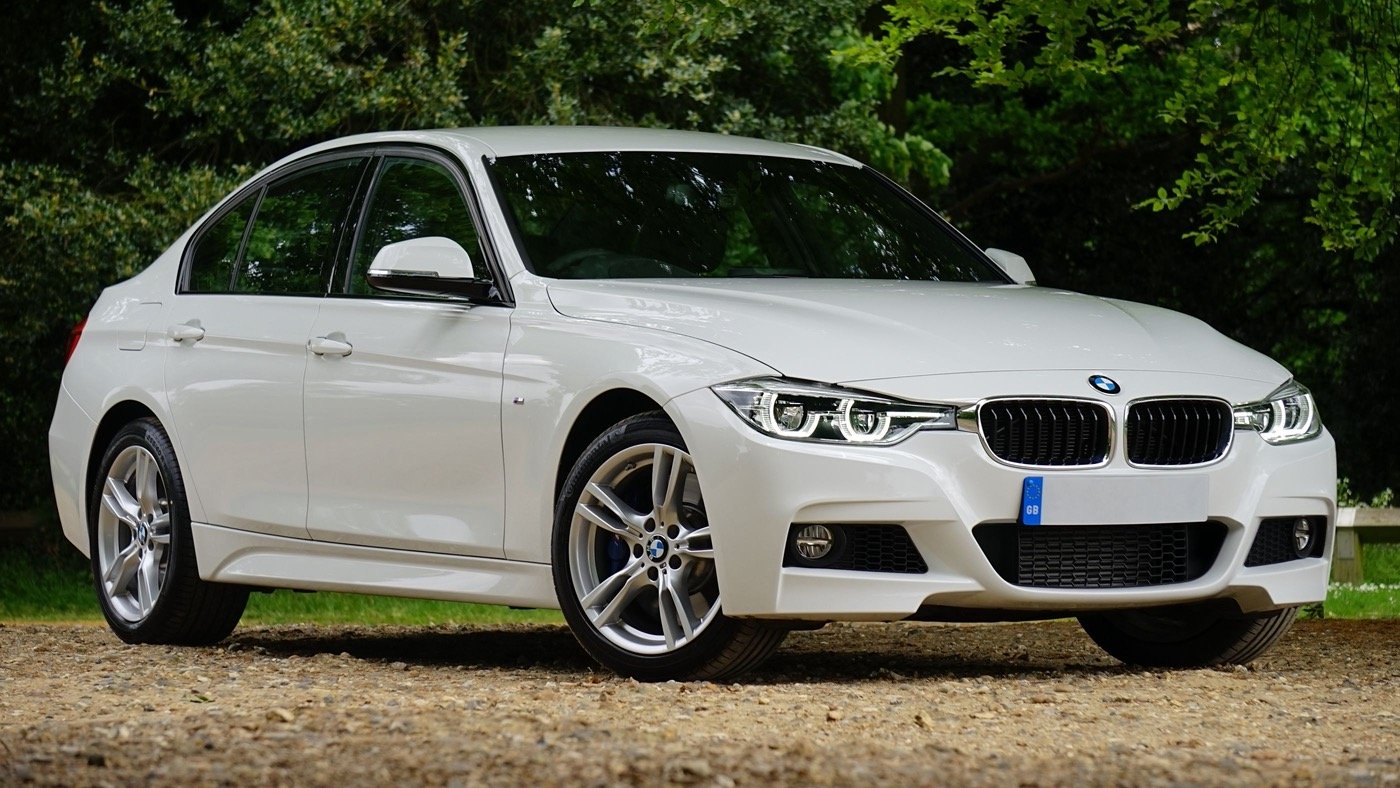
How to Compare Car Insurance Plans and Save Money
Car Insurance Guide
Compare car insurance plans the smart way and cut your premium without losing the cover that matters.
Delay in Reporting the Incident
Most policies require you to inform the insurer promptly after an accident, theft, or other insured event, often within a short window. Reporting late gives the insurer grounds to question the claim, because it hampers their ability to survey the damage, verify the circumstances, and prevent fraud. A significant unexplained delay can therefore result in rejection or reduced settlement.
For theft claims, prompt reporting to both the police and the insurer is essential, as an FIR is typically required and delays raise suspicion. The safest practice is to notify your insurer as soon as it is safe to do so after any incident, even before you have gathered every document, and to file a police report where the situation calls for one. Timely intimation keeps your claim on solid ground.
- Inform the insurer as soon as possible after the event
- File an FIR promptly for theft or major accidents
- Note the intimation reference or claim number
- Avoid unexplained gaps between incident and reporting
- Keep a record of when and how you notified the insurer
Repairing the Car Before Inspection
Insurers usually need to survey the damaged vehicle before repairs begin so they can assess the loss and verify it matches the reported incident. If you go ahead and repair the car, or start dismantling it, before the surveyor has inspected it, the insurer may be unable to validate the claim and can reject or reduce it. This is a frequent mistake made by anxious owners eager to get back on the road.
The correct approach is to report the incident, wait for the insurer’s guidance on inspection, and only proceed with repairs once you have approval, ideally at a cashless network garage where the insurer coordinates directly. Taking clear photographs of the damage at the scene is helpful, but it does not replace the official survey. Patience here protects the payout.
Using a cashless network garage adds a further layer of safety, because the insurer and the garage coordinate the assessment and billing directly, reducing the chance of a process misstep on your part. If you must move the car for safety, do so minimally and document its condition first. The rule of thumb is simple: do not let a spanner touch the car for repair until the surveyor has seen it.
Recommended Guide
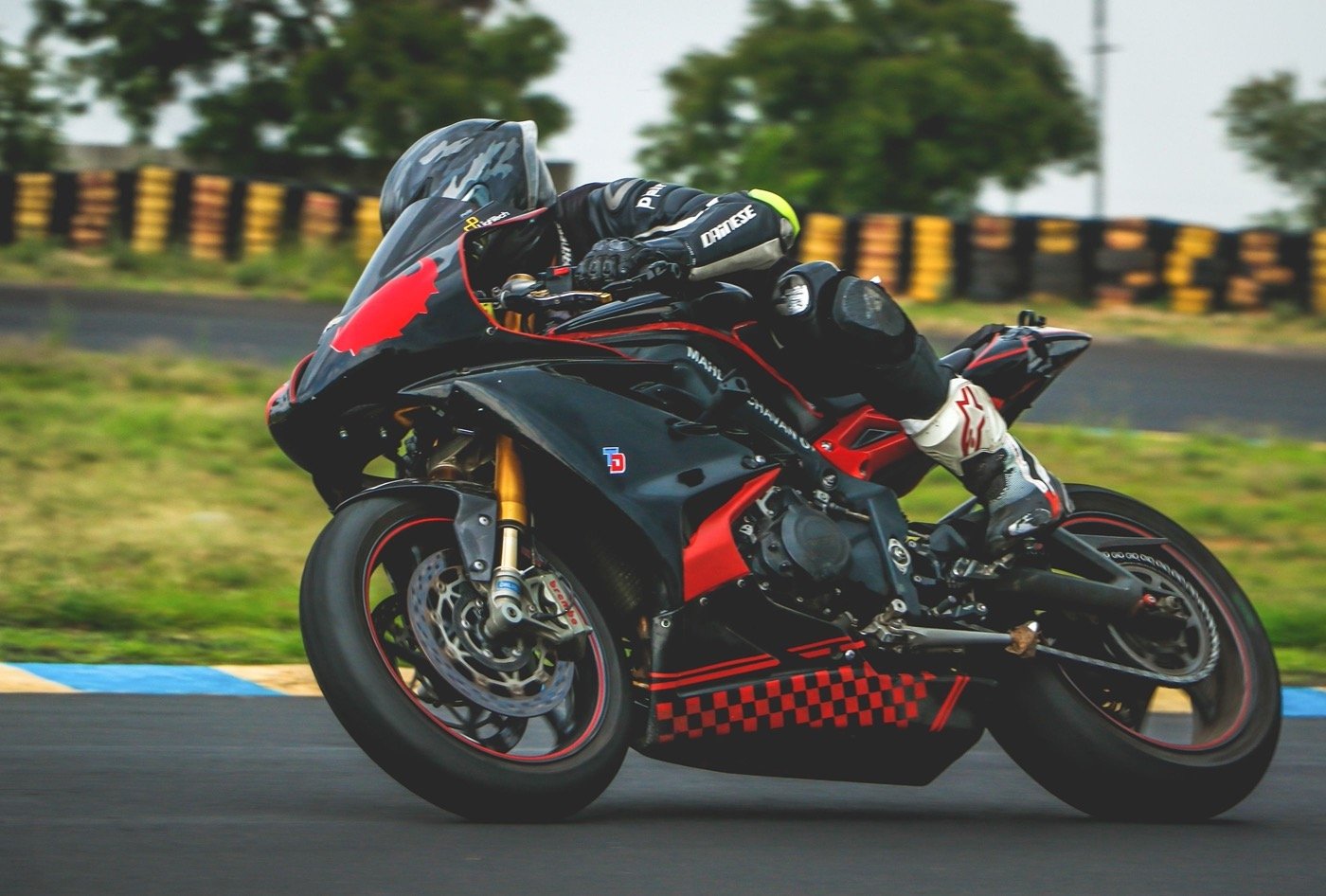
How to Choose the Best Bike Insurance Policy
Two-Wheeler Guide
Everything you need to pick the right two-wheeler insurance policy for your bike, riding needs and budget.
Claiming for Excluded Losses
Every policy has exclusions, and claiming for something that is simply not covered leads to denial. Normal wear and tear, gradual deterioration, mechanical or electrical breakdown not caused by an accident, and consequential losses are standard exclusions in own-damage cover. Tyres and tubes, unless damaged in the same accident as the vehicle, are also typically limited.
Damage caused while driving under the influence of alcohol or drugs is excluded, as is loss arising from illegal or reckless use. Understanding what your policy does not cover prevents you from filing claims that were never going to succeed and helps you decide whether add-ons like engine protection or consumables cover are needed to fill specific gaps. Reading the policy wording once, carefully, is time well spent.
- Normal wear, tear, and ageing
- Mechanical or electrical breakdown without accident
- Damage while driving under the influence
- Consequential and indirect losses
- Tyre damage unrelated to an accident to the car
Misrepresentation and Non-Disclosure
Insurance operates on good faith, and providing incorrect information when buying the policy or filing a claim can void your cover. Understating your No Claim Bonus, giving a wrong description of how an accident happened, or concealing prior damage are all grounds for rejection. Insurers cross-check records, and any material discrepancy can undermine the claim even if the loss itself was genuine.
Non-disclosure of important facts, such as a fitted CNG kit that was never declared and endorsed, or the true use of the vehicle, can also lead to denial. The remedy is straightforward: always give accurate information at purchase and renewal, declare modifications and fuel kits, and describe incidents truthfully. Honesty at every stage is the strongest safeguard for a smooth settlement.
- Understating NCB or past claims
- Undeclared CNG or LPG kit
- Inaccurate description of the accident
- Concealing pre-existing damage
- Misdeclaring the vehicle’s actual use
Documents That Support a Smooth Claim
This table lists key documents that help substantiate a car insurance claim in India.
| Document | Why It Matters |
|---|---|
| Policy document | Proves valid cover was in force |
| Driving licence | Shows the driver was legally permitted |
| Registration certificate | Confirms vehicle ownership and details |
| FIR copy | Required for theft and major accidents |
| Repair estimate and bills | Substantiate the cost of the loss |
| Photographs of damage | Support the reported circumstances |
Recommended Guide

How to Choose the Best Life Insurance Policy
Life Insurance Guide
A practical guide to choosing a life insurance policy that genuinely protects your family and fits your goals.
Using a Private Car for Commercial Purposes
A private car policy covers personal use, and using the vehicle for commercial activity such as paid passenger transport or goods delivery without the correct commercial policy can lead to claim rejection. If an accident occurs while the car is being used in a way the policy does not permit, the insurer can decline the claim on the ground that the vehicle was being used outside the agreed terms.
Owners who use their car for ride-hailing or business deliveries should ensure they hold the appropriate commercial cover rather than relying on a private policy. Matching the policy type to the actual use of the vehicle avoids a nasty surprise at claim time and keeps you compliant with both the insurer’s terms and the relevant transport rules.
The distinction can catch out owners who only occasionally use their private car for paid work, assuming a one-off will not matter. In reality, the insurer assesses how the car was being used at the moment of the loss, so even occasional commercial use during an accident can jeopardise the claim. If your usage regularly crosses into commercial territory, the correct policy type is not optional but essential.
How to Protect Your Claim From Rejection
Preventing rejection is largely about discipline before and during a claim. Keep your policy continuously valid, ensure every driver is properly licensed, and declare all relevant facts and modifications. When an incident occurs, report it promptly, file a police complaint where needed, avoid repairing the car before inspection, and gather clear documentation of the event and damage.
It also helps to know your policy: read the exclusions, understand the deductibles, and use cashless network garages where the insurer coordinates the process directly. If a claim is unfairly rejected despite your having met all conditions, you can escalate through the insurer’s grievance channel and, if unresolved, approach the insurance ombudsman. Being organised and honest gives your claim the best chance of success.
- Keep the policy continuously renewed and valid
- Ensure all drivers hold valid licences
- Report incidents promptly and file FIRs where needed
- Wait for inspection before starting repairs
- Declare all facts, modifications, and fuel kits honestly
Frequently Asked Questions
Can my claim be rejected if my licence expired?
Yes, if the driver did not hold a valid licence for that class of vehicle at the time of the incident, the insurer can reject the own-damage claim. This applies whether the owner or another person was driving. Always ensure everyone who drives your car holds a current, appropriate licence to keep your claims valid.
What happens if I report an accident to my insurer late?
Most policies require prompt reporting, and a significant unexplained delay gives the insurer grounds to question or reject the claim because it hampers their ability to survey and verify the loss. For theft, delays are especially problematic since a timely FIR is usually needed. The safest approach is to notify your insurer as soon as it is safe after any incident.
Why can’t I repair my car before the insurer inspects it?
Insurers generally need to survey the damaged vehicle before repairs so they can assess the loss and confirm it matches the reported incident. If you repair or dismantle the car first, they may be unable to validate the claim and can reduce or reject it. Report the incident, wait for inspection guidance, and only proceed once you have approval.
Will using my private car for deliveries affect my claim?
Yes, a private car policy covers personal use, and using the vehicle for commercial activity like paid deliveries or passenger transport without the correct commercial policy can lead to rejection. If an accident happens during such use, the insurer can decline the claim on the basis that the car was used outside the agreed terms. Match your policy type to your actual use.
Can a claim be denied for not declaring a CNG kit?
Yes, an undeclared and unendorsed CNG or LPG kit is a form of non-disclosure and can lead to claim rejection, particularly if the kit is related to the loss. Any fuel conversion must be declared to the insurer, endorsed on the policy, and reflected in the RTO records. Declaring it also ensures the premium correctly accounts for the added value and risk.
Is wear and tear covered by car insurance?
No, normal wear and tear and gradual deterioration are standard exclusions in car insurance, as is mechanical or electrical breakdown not caused by an accident. Claims for these are routinely rejected because no motor policy is designed to cover them. Regular maintenance is the owner’s responsibility, and only sudden, accidental damage generally falls within the cover.
Does a lapsed own-damage cover on a new car cause rejection?
Yes, new cars often have a long-term third-party cover alongside a one-year own-damage component, and it is easy to overlook the annual own-damage renewal. If the own-damage portion has lapsed, any own-damage claim during that gap will be rejected even though the third-party cover is still valid. Track the own-damage renewal date separately to avoid this.
Can I do anything if my valid claim is unfairly rejected?
Yes, if you believe a genuine claim was wrongly rejected, first raise it through the insurer’s grievance redressal channel with your documentation. If it remains unresolved, you can approach the insurance ombudsman, who handles policyholder disputes up to defined limits. Keeping thorough records of the incident, communication, and documents strengthens your position throughout this process.
Does drinking and driving void my claim?
Yes, damage caused while driving under the influence of alcohol or drugs is a standard exclusion, and a claim in such circumstances will typically be rejected. This applies regardless of who was at fault in the accident. Beyond the insurance consequences, it is also a serious legal offence, so never drive under the influence.
How can I reduce the chance of claim rejection overall?
The best protection is discipline: keep the policy continuously valid, ensure every driver is licensed, declare all facts and modifications honestly, and report incidents promptly. When a loss occurs, avoid repairing before inspection, gather documents and photographs, and use cashless network garages where the insurer coordinates directly. Reading and understanding your policy exclusions in advance rounds out this protection.
External Resource

IRDAI – Official Insurance Regulator
Official Resource
Understand your rights as a policyholder, verify registered insurers, and access official resources on the IRDAI website before you decide.
Disclaimer
This page is not affiliated with IRDAI, any insurer, or any government body. Motor insurance premiums, IDV, add-ons, and terms vary by insurer and vehicle. This content is for general information only and is not professional insurance or financial advice. Always confirm details with an IRDAI-registered insurer or a licensed advisor.
Unlock the content recommendation
Protected connection